The Performance Paradox: Turning the Power of Mindset into Action

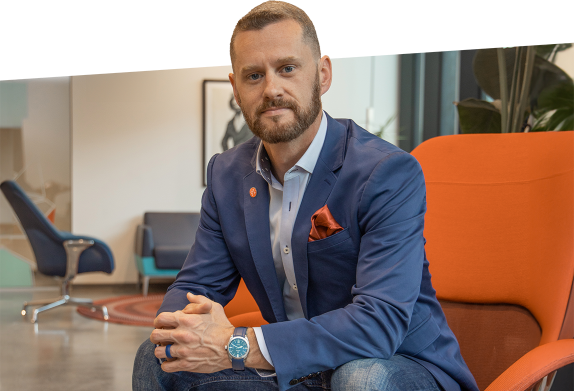
Speaker: Eduardo-Briceno

To succeed in a fast-changing world, individuals and organizations know they must create a culture of growth, where experimentation and feedback are encouraged, and learning is integrated into the everyday. 

Yet we often get stuck in a well-worn pattern of habits that don’t move us forward. Why?

Because many of us get trapped in the Performance Paradox: the counterintuitive phenomenon that if we focus only on getting our job done as best we know how, our performance suffers.

This means we must give ourselves the space to experiment and grow while also delivering high-level results.

In this webinar our speaker Eduardo Briceño will share how.

You will learn (Learning Objectives):

  • How to avoid falling into the chronic performance trap that stagnates growth.
  • How to identify when and how to unlock the power of mistakes.
  • How to integrate learning into daily habits in ways that stick.
  • How to grow your skill level and output simultaneously and for the long term.

Get ready to discover how to balance learning and performing to bolster personal and team success with Eduardo Briceño, a world-renowned expert on growth mindset!

About the Speaker: Eduardo Briceño

Eduardo Briceño is a keynote speaker, facilitator, and behavior change partner who guides many of the world’s leading companies in developing cultures of continuous improvement, innovation, and high performance.

His TED and TEDx talks on growth mindset and the Learning Zone have been viewed more than ten million times. He is the author of The Performance Paradox: Turning the Power of Mindset into Action, which won multiple awards.

Earlier in his career, he co-founded Mindset Works with Stanford Professor Carol Dweck and served as its CEO for over a decade. Before that, he was a venture capital investor with the Sprout Group. He is a Pahara-Aspen Fellow, a member of the Aspen Institute’s Global Leadership Network, and an inductee in the Happiness Hall of Fame.

He holds bachelor’s degrees in economics and engineering from the University of Pennsylvania, as well as an MBA and M.A. in education from Stanford.

Tags:

continuous improvement, growth mindset, learning zone vs performance zone, skill development, the performance paradox

5 Things You Can Do Right Now to Improve Your Personal Productivity

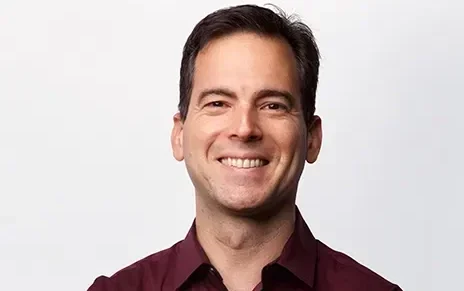
Mike Vardy

In this webinar, Mike Vardy the Productivityist will share strategies to help you feel less overwhelmed and be more productive.

Some of the key takeaways include: (Learning Objectives)

  • How to use the clock and the calendar in a way that works for you both in the short and long term.
  • How to craft your best days, weeks, and months with a proven approach that is simple, flexible, and durable.
  • How to look at your to-do list through different lenses, helping you prioritize what you need and want to do in a way that makes sense.
  • How to get important tasks done without missing a beat with the urgent tasks on your to-do list.
  • How to create boundaries that can benefit you when you’re new to a working from home situation, either by choice or by force.

Whether you’re a digital or pen and paper-minded person you’ll leave this workshop with at least 5 things you can do now to improve your personal productivity and time management, helping you move the right things forward at the right time.

About the Speaker: Mike Vardy

Mike Vardy is a writer, speaker, coach, podcaster, and productivity strategist best known as the creator of the TimeCrafting productivity framework.

He is the founder of Productivityist and has helped individuals and organizations improve how they manage their time, attention, and energy. Through his speaking, writing, coaching, and podcasting, Mike empowers people to work with greater focus, purpose, and productivity.

He is the author of several books, including The Productivity Diet, and host of the podcast A Productive Conversation.

Tags:

Personal ProductivityProductivity Strategiestask prioritizationTime Management SkillsWork From Home Productivity


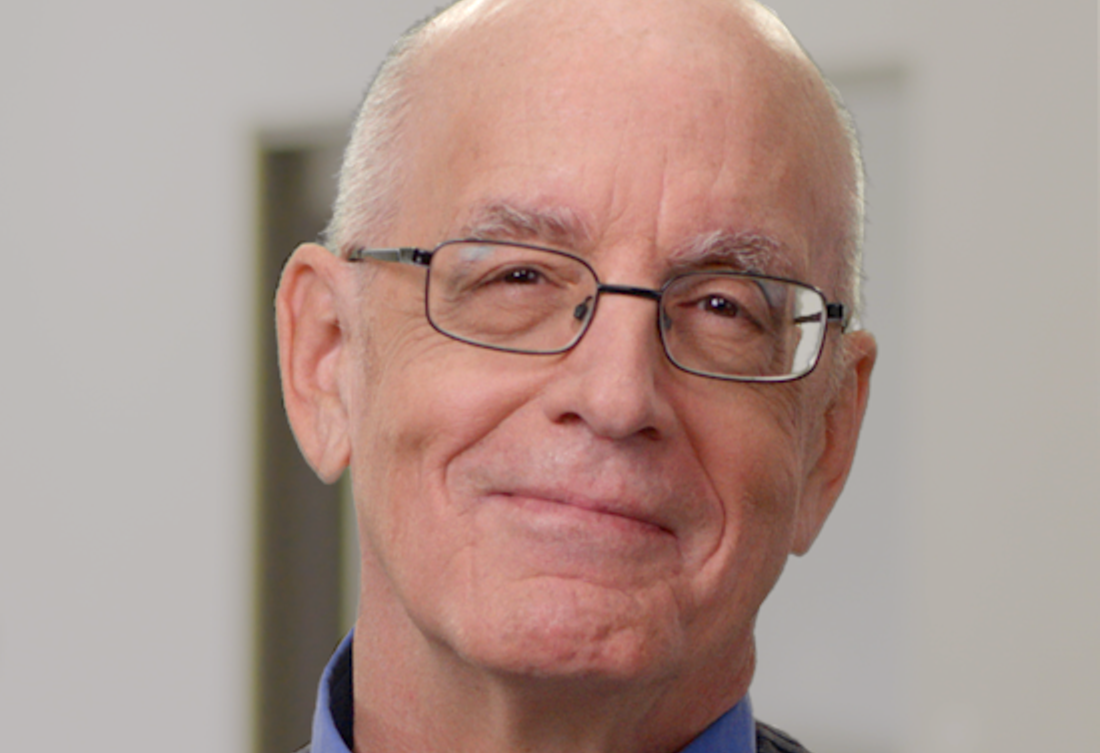
The Next Rules of Work: The Mindset, Skillset, and Toolset to Lead Your Organization Through the Future of Work

The rapid development of technology creates constant change and impacts how we approach work.

This means agility and adaptability, from both individuals and organizations, are crucial moving forward,

In this webinar Gary Bolles will share a 3 part framework that will help us navigate this environment of constant change, and prepare us for the future of work.

You will learn (Learning Objectives):

  • Mindset – How to develop an agile mindset to come up with creative solutions to new challenges.
  • Skillset – How to approach ongoing learning so that your skillset meets the needs of your organization and clients you serve.
  • Toolset – How to approach technology and techniques so the tools you use to get work done best support your goals and overall effectiveness.

You will also learn potential scenarios that reveal how work may look in the future, and get tips for how to prepare.

About the Speaker: Gary A. Bolles

Gary A. Bolles is a globally recognized thought leader and consultant focused on the rapidly evolving landscape of work, education, and organizational transformation in the post-pandemic era driven by exponential technologies. He provides invaluable guidance to individuals, companies, communities and nations looking to navigate uncertainty and flourish in the years ahead.

Tags:

Future of WorkMindsetOrganizational LeadershipRules of WorkSkillsetToolsetWorkforce Development

I Said NO: How To Have Boundaries And Backbone While Not Being A Jerk

Would you like a direct and practical roadmap to stand up for yourself without spiraling into guilt, shame, or self-doubt?

If yes, this webinar presented by Dr. Jen Fry is for you!

You will learn (Learning Objectives):

  • How to say “no” with clarity and confidence.
  • How to set boundaries without over-explaining.
  • How to navigate conflict without guilt.
  • How to center yourself in decision-making—without apology

Boundary-setting is an act of care, not just for yourself, but for the people and communities you serve. Learn how in this webinar!

About the Speaker: Dr. Jen Fry

Dr. Jen Fry (she/her) is a sports geographer, tech founder, TEDx speaker, and founder of JenFryTalks. Her work focuses on the intersection of conflict and culture, helping organizations transform leadership and team dynamics.

She partners with leaders to navigate conflict, foster inclusive environments, and leverage diverse perspectives for innovation and growth. Through workshops, coaching, and strategic advising, Dr. Fry equips teams with the skills to communicate effectively and turn conflict into a catalyst for progress.

She earned her PhD in Sports Geography from Michigan State University

Tags:

Assertive Communication SkillsBoundariesconflict resolutionHow to say Noself-confidence


Validation: A Skill Set to Transform Your Relationships, Increase Your Influence, and Change Your Life

Dr. Caroline Fleck

This webinar will make you a better parent, partner, co-worker, and friend.

Being present, listening, suspending judgment, and really hearing someone is the greatest gift we can give or receive. There is such magic in validation.

In short, validation is communicating that you see the validity in another person’s experience.

Research on validation shows that it has profound effects, from improving relationships and de-escalating conflicts to increasing one’s influence and self-compassion.

In this webinar presented by Clinical Psychologist Dr. Caroline Fleck, you will learn how to use these 8 validation skills that are based in dialectical behavioral therapy (DBT): (Learning Objectives):

  • Attending
  • Copying (mirroring)
  • Contextualizing
  • Equalizing
  • Proposing
  • Taking Action
  • Emoting
  • Disclosing

About the Speaker: Dr. Caroline Fleck

Dr. Caroline Fleck is a licensed psychologist, corporate consultant, and an Adjunct Clinical Instructor at Stanford University. She is a respected voice in psychology and has been featured in national media outlets, including The New York Times, Good Morning America, and The Huffington Post.

Caroline is a world-renowned expert in validation. Her new book, Validation: How the Skill Set That Revolutionized Psychology Will Transform Your Relationships, Increase Your Influence, and Change Your Life (Penguin Random House, 2025), has been translated into nine different languages.

Tags:

communication skillsConflict Resolution TechniquesDialectical Behavior Therapy (DBT)Emotional IntelligenceInfluenceValidation Skills Training

Mistakes Were Made But Not By Me: Why We Justify Foolish Beliefs, Bad Decisions, and Hurtful Acts

Why is it so hard to say “I made a mistake”—and really believe it?

When we make mistakes, cling to outdated attitudes, or mistreat other people, we must calm the cognitive dissonance that jars our feelings of self-worth. 

And so, unconsciously, we create fictions that absolve us of responsibility, restoring our belief that we are smart, moral, and right—a belief that often keeps us on a course that is foolish, immoral, and wrong. 

There is a better, more responsible way.

In this webinar presented by Carol Tavris, backed by years of her research, you will learn:

  • A fascinating explanation of how self justification works.
  • The damage self justification can cause.
  • How to overcome self justification to take accountability for, learn from, and grow from mistakes.

About the Speaker: Carol Tavris

Dr. Carol Tavris’s work as a writer, teacher, and lecturer has been devoted to educating the public about psychological science.

She has spoken to students, psychologists, mediators, lawyers, judges, physicians, business executives, and general audiences on, among other topics, self-justification; science and pseudoscience in psychology; gender and sexuality; critical thinking; anger; and, most recently, hormone therapy for women in menopause and beyond.

Dr. Tavris has written hundreds of articles, op-eds, book reviews, and essays on a wide range of psychological topics, with a focus on contentious political issues and outbreaks of social contagions, when ideological convictions tend to supersede evidence. Her column for Skeptic magazine has featured these essays.

Tags:

accountability and growth, cognitive dissonance, confirmation bias, decision making mistakes, personal development, professional development, self justification

The Missing Conversations: Navigating Awareness, Avoidance, and Adversity at Work

Zach Schaefer

What you don’t know can hurt you—and what you don’t talk about can absolutely destroy your team, your organization, and your career.

This webinar will give you and your team a framework to have higher quality conversations that directly and positively impact your work and culture.

In this webinar you will learn: (Learning Objectives)

  • The impact the leader’s “echo” has on employees as it reverberates throughout the organization.
  • How to prevent team member burnout by recognizing their accomplishments while giving them a new goal to shoot for.
  • The power of embracing effort itself as a talent that leaders can recognize and encourage in their teams.
  • Why so many leaders allow groupthink and the “disease to please” to stifle productive problem solving and constructive disagreement.
  • How to harness conflict as a catalyst for growth through healthy confrontation.
  • Why team members and peers often feel blindsided by feedback and constructive criticism.

About the Speaker: Zack Schaefer

Zach “Dr. Z” Schaefer is a successful entrepreneur, leadership coach, award-winning consultant, and highly-booked speaker. Three things you should know about Dr. Z:

1) He works with leaders to improve leadership communication behaviors and positively transform their organizations.

2) He’s a retired Associate Professor from the field of Applied Communication.

3) He’s a co-owner and Chief Culture Officer at The Post Sports Bar & Grill, a growing sports bar chain based in St. Louis, MO.

Tags:

 Adversity, Avoidance, Burnout, conflict resolution, constructive feedback, effective communication, leadership development, Navigating Awareness, workplace communication

Smooth: Emotional Intelligence in High Stress Workplaces with Challenging Clients

Speaker Josh Dye

Working in high stress environments with challenging clients can feel like riding in a small boat through choppy waters.

It’s unstable.

It’s uncomfortable.

It’s unpredictable.

It can even make you feel nauseated with dread.

It doesn’t have to be that way.

In this training you will learn emotional intelligence techniques to smooth out those choppy waters, turning turbulent days into manageable, productive ones.

You will learn (Learning Objectives):

  • Strategies to stay calm, focused, and effective by mastering self-awareness, reframing challenges, and prioritizing what matters most.
  • How to avoid unnecessary conflict and navigate difficult personalities.
  • How to manage feelings of overwhelm that result from heavy workloads and limited resources.
  • How to create a more positive work experience, even in demanding environments.

Tags:

By Josh Dye, Challenging Clients, conflict management, Emotional Intelligence, High-Stress Work Environments, resilience, self care, Workplace Stress Management

Martin Luther King Jr Speeches – I Have A Dream and I’ve Been to the Mountaintop

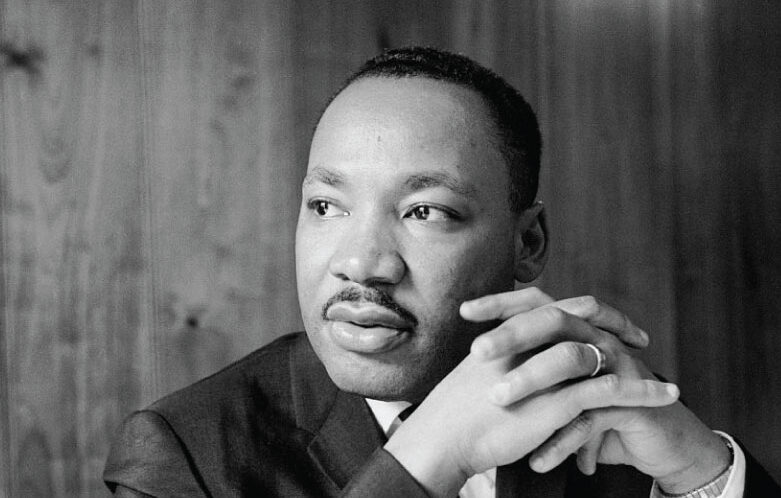
Speaker: Martin Luther King, Jr.

Martin Luther King – I Have A Dream Speech

The presentation of Dr. Martin Luther King, Jr. is introduced as the moral leader of the nation, and he expresses his happiness to join the demonstration for freedom, which will be remembered as the greatest in the nation’s history. Dr. Martin Luther King, Jr. references the Emancipation Proclamation signed by a great American 100 years ago, which brought hope to millions of negro slaves, but notes that 100 years later, the Negro is still not free and is crippled by segregation and discrimination.

The Negro lives in poverty, is languished in the corners of American society, and finds himself in exile in his own land, prompting the demonstration to dramatize this shameful condition and to cash a check for the promised unalienable rights of life, liberty, and the pursuit of happiness. America has defaulted on its promisory note to its citizens of color, giving them a bad check marked insufficient funds, but Dr. Martin Luther King, Jr. refuses to believe that the Bank of Justice is bankrupt and that there are insufficient funds in the nation’s opportunities.

In this webinar you will learn (Learning Objectives):

  • The Urgency of the Moment
  • The Struggle for Civil Rights
  • The Dream of Equality and Freedom

Martin Luther King Speaks! “I’ve Been to the Mountaintop”

Martin Luther King Jr. explains why he is in Birmingham and responds to criticism that the civil rights demonstrations were “unwise and untimely.” Writing from jail, he calmly outlines his role as a minister and leader of the Southern Christian Leadership Conference, emphasizing that injustice anywhere is a threat to justice everywhere.

King describes the purpose of nonviolent direct action and explains that peaceful protest is used to create necessary tension-tension that forces communities to confront injustice rather than ignore it. He challenges the idea of waiting for change, arguing that justice delayed is justice denied, especially for those who experience daily discrimination and humiliation.

In this webinar you will learn (Learning Objectives):

  • The Hypothetical Scenario of Choosing a Historical Era
  • The Significance of the Twentieth Century
  • The Negro Community’s Determination and Unity
  • Addressing Injustice: The Sanitation Workers’ Struggle
  • Nonviolent Protests and Historical Precedents, and many more!

About the Speaker: Martin Luther King Jr.

Martin Luther King Jr. (born January 15, 1929; died April 4, 1968) was a Baptist minister and prominent civil rights activist in the United States. He emerged as a leading figure in the 1950s and 1960s, advocating for racial equality through nonviolent resistance. His leadership in key events like the Montgomery Bus Boycott and the 1963 March on Washington solidified his legacy.

King’s powerful oratory, including the iconic ‘I Have a Dream’ speech, galvanized national attention on systemic racism. He was awarded the Nobel Peace Prize in 1964 for his efforts. His assassination in Memphis, Tennessee, shocked the nation and intensified the struggle for civil rights.

Tags:

best of the internetcultural competenceDEIdiversityequityinclusionMartin Luther Kingrace and culture

Martin Luther King Jr. Reads His Letter from a Birmingham Jail

Speaker: Martin Luther King, Jr.

Martin Luther King Jr. is responding to a statement from fellow clergymen that criticized their current activities in Birmingham as “unwise and untimely”, and they want to address this criticism in a patient and reasonable manner. He serves as the president of the Southern Christian Leadership Conference, an organization with affiliates across the South, including the Alabama Christian Movement for Human Rights in Birmingham, which is why they are in the city.

Martin Luther King Jr. believes they are in Birmingham not just because they were invited, but also because of the injustice present in the city, and they feel compelled to address it, just like the prophets and the Apostle Paul did in their time. He thinks that all communities and states are interconnected, and therefore, they cannot ignore the injustices in Birmingham, as they are a threat to justice everywhere, and anyone living in the United States cannot be considered an outsider

In this webinar you will learn (Learning Objectives):

  • The Nonviolent Campaign and Direct Action Strategy
  • Criticism of the Clergymen’s Statement and Justification for Action
  • Moral and Historical Justification for Civil Disobedience
  • Civil Disobedience and Its Ethical Foundations
  • The Church’s Failure to Address Social Justice, and many more!

About the Speaker: Martin Luther King Jr.

Martin Luther King Jr. (born January 15, 1929; died April 4, 1968) was a Baptist minister and prominent civil rights activist in the United States. He emerged as a leading figure in the 1950s and 1960s, advocating for racial equality through nonviolent resistance. His leadership in key events like the Montgomery Bus Boycott and the 1963 March on Washington solidified his legacy.

King’s powerful oratory, including the iconic ‘I Have a Dream’ speech, galvanized national attention on systemic racism. He was awarded the Nobel Peace Prize in 1964 for his efforts. His assassination in Memphis, Tennessee, shocked the nation and intensified the struggle for civil rights.

Tags:

best of the internetcultural competenceDEIdiversityequityinclusionMartin Luther Kingrace and culture