
We live in an increasingly divided world and most of us have encountered our fair share of aggressive people and difficult confrontations.
Fortunately, we now have the tools to become peacemakers and transform emotionally volatile situations and hurt feelings to calm, non-aggressive ones.
In this webinar you will learn (Learning Objectives)
- A set of social listening skills based on the latest finding in neuroscience and meditation.
- A set of communication skills, based on the latest findings in neuroscience and meditation.
- Practical tips on how to be civil in an uncivil society.
We can bring peace to all facets of life, cultivate healthier relationships, and participate in creating a more caring and compassionate future for us all.
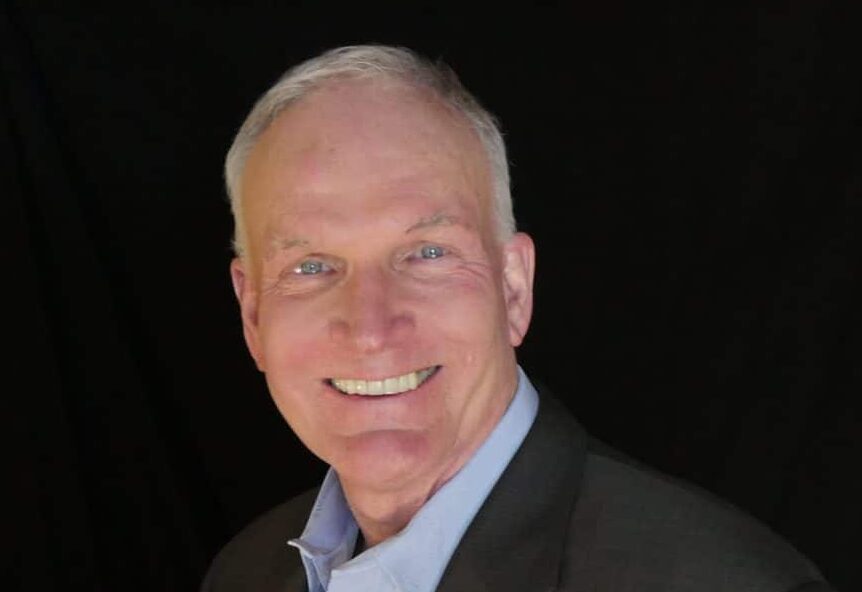
About the Speaker: Douglas E. Noll, JD, MA
Douglas E. Noll, JD, MA left a successful career as a lawyer to become a peacemaker. He is an award-winning author, teacher, trainer, highly experienced mediator, and co-founder of the Prison of Peace project. This has been the most profound peace training Douglas has conducted thus far in his career.
People who are incarcerated that have gone through his program have learned and applied deep, empathic listening skills, leadership skills, and problem-solving skills to reduce violence in their prison communities.
To learn more about Douglas visit him at DougNoll.com.
Tags:
calming techniques, conflict de-escalation, Deescalation, effective communication, emotional regulation, meditation for calm, neuroscience communication
