
Breaking Free from OCD

Dr. Mazza concludes that integrating ACT with ERP offers a comprehensive approach to OCD treatment, addressing both behavioral patterns and the underlying cognitive and emotional processes. This combined method empowers individuals to confront their fears, reduce compulsive behaviors, and lead lives aligned with their values.

The goal of therapy for OCD is not just to alleviate symptoms, but to help individuals live well despite the presence of OCD. ACT (Acceptance and Commitment Therapy) is an exposure-based treatment that adds components such as values exploration and acceptance-based exercises to help individuals interact with difficult experiences. Dr. Marisa Mazza is an expert in ACT and ERP (Exposure and Response Prevention) and has written a workbook on ACT for OCD.

In this webinar you will learn (Learning Objectives):

  • Acceptance and Commitment Therapy (ACT)
  • ACT Processes and Context
  • Recognizing compulsions
  • Dealing with postpartum OCD
  • Removing fears from OCD, and many more!

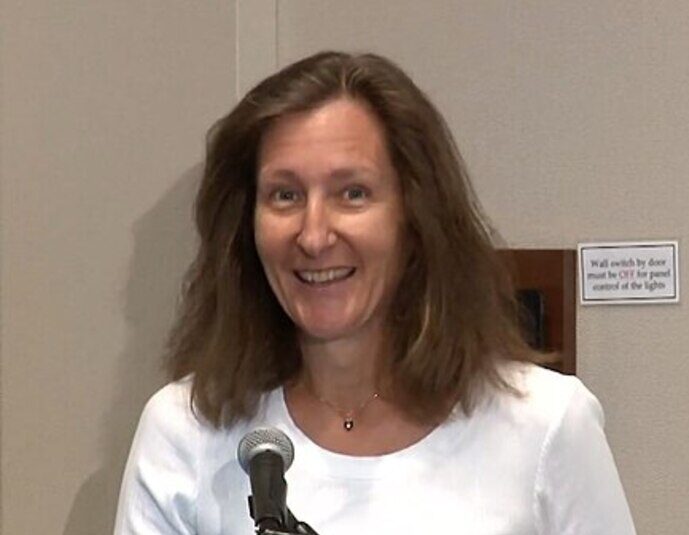
About the Speaker: Dr. Marisa Mazza, Psy.D.

Dr. Marisa Mazza has extensive training and expertise in treating a variety of mental health issues, particularly focusing on anxiety disorders, obsessive-compulsive disorder (OCD), and related conditions.

Dr. Mazza earned her doctorate in clinical psychology, equipping her with the skills to evaluate and treat mental health disorders effectively. With years of clinical experience, she utilizes evidence-based practices to develop personalized treatment plans for her clients.

Tags:

acceptance and commitment therapybest of the internetdevelopmental DisabilitiesExposure TherapyManaging CompulsionsMental HealthOCD Treatment


Understanding and Treating Addiction

Speaker Dr. Anna Lembke

Dr. Anna Lembke is a psychiatrist and the chief of the Addiction Medicine Dual Diagnosis Clinic at Stanford University School of Medicine, treating patients with various types of addiction.

She has successfully treated patients dealing with drug addiction, alcohol addiction, and behavioral addictions such as gambling and sex addiction.

Dr. Lembke has a new book coming out called “Dopamine Nation, Finding Balance in the Age of Indulgence”, which explores addiction and ways to treat various types of addiction

In this webinar you will learn (Learning Objectives):

  • Impulsivity and Addiction
  • Addiction, Boredom & Passion for Life
  • Proposed Solutions and Addressing the Harms
  • Pain-Pleasure Balance Controls Addiction
  • Boredom & Anxiety Lead to Creativity, and many more!

About the Speaker: Dr. Anna Lembke, MD

Anna Lembke is an American psychiatrist who is Chief of the Stanford Addiction Medicine Dual Diagnosis Clinic at Stanford University. She is a specialist in the opioid epidemic in the United States, and the author of Drug Dealer, MD, How Doctors Were Duped, Patients Got Hooked, and Why It’s So Hard to Stop

Dr. Anna Lembke, psychiatrist and author, explores the exciting new scientific discoveries that explain why the relentless pursuit of pleasure leads to pain. Most important, she tells readers how to find the delicate balance between the two. Condensing complex neuroscience into easy-to-understand metaphors, Lembke illustrates how finding contentment and connectedness means keeping dopamine in check. The lived experiences of her patients are the gripping fabric of her narrative. Their riveting stories of suffering and redemption give us all hope for managing our consumption and transforming our lives.

Tags:

Addiction TreatmentBehavioral Healthbest of the internetdevelopmental DisabilitiesDrug and Alcohol AddictionMental HealthUnderstanding Addiction


Codependency and Childhood Trauma

photo of Patrick Teahan

Codependency often originates from unmet emotional needs during childhood, leading individuals to prioritize others’ needs over their own in adulthood. This behavior stems from early experiences where children had to suppress their own needs to gain approval or avoid conflict.

In this webinar you will learn (Learning Objectives):

  • Defining Codependency and Symptoms
  • List of Codependency Traits
  • Codependency Types Chart
  • How Codependency is Modeled in Dysfunctional Family Systems
  • How to Start Working on Codependency, and many more!

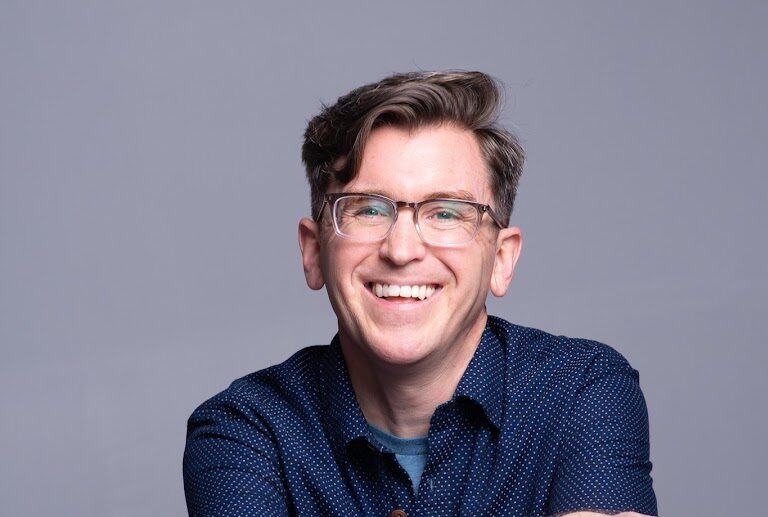
About the Speaker: Patrick Teahan

Patrick Teahan is a therapist known for his work with childhood trauma, particularly focusing on helping survivors heal and find themselves. He shares insights on parenting and the effects of toxic relationships through various platforms, including YouTube.

Tags:

best of the internet, Childhood Trauma, Codependency, developmental Disabilities, Emotional Healing, Family Dynamics, Mental Health


What Codependency Feels Like

Understanding codependency is crucial for those seeking to break free from its constraints. By recognizing the origins and manifestations of codependent behaviors, individuals can embark on a journey toward healing and self-discovery. Romano’s insights provide a roadmap for reclaiming autonomy and fostering healthier relationships.

In this webinar you will learn (Learning Objectives):

  • Codependency and its Origins
  • Codependency as an Addiction and Dysfunctional Pattern
  • The Nature of Codependency and its Recovery
  • Shifting Mindset and Recognizing Codependent Patterns
  • Narcissism and its Interplay with Codependency, and many more!

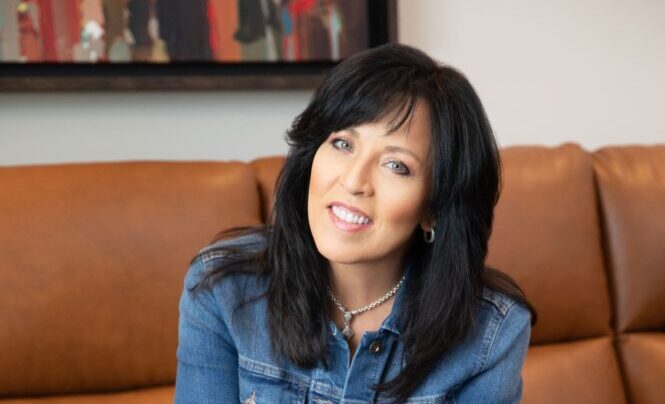
About the Speaker: Lisa A. Romano

Lisa A. Romano is a Certified Life Coach, award-winning author, and meditation teacher, known for her expertise in inner child healing and recovery from codependency. She is recognized as a leading figure in personal development, having created the 12 Week Breakthrough Codependency Program and amassed over 700,000 followers on YouTube. In 2020, she was voted the Most Influential Person in her field.

Tags:

best of the internet, Breaking Codependent Patterns, Codependency, developmental Disabilities, healthy relationships, Mental Health, Self-DiscoverySelf-Discovery

Addressing Childhood Trauma through Trauma-Informed Care

This webinar is part of the “Overcoming Obstacles” series, focusing on sustaining behavioral health care in practice, specifically addressing childhood trauma through trauma-informed care. The webinar is for informational purposes only, and viewers should consult a professional advisor for specific advice. The series is a collective product of leading physician organizations, aiming to equip physicians with knowledge for a whole-person, integrated, and equitable approach to physical, mental, and behavioral health care.

In this webinar you will learn (Learning Objectives):

  • What is Trauma Informed Care (TIC)?
  • How do early experiences influence brain development?
  • Developmental Perspectives on Trauma
  • WITH – Wondering together, Investigating, Treating, and Hope
  • Write a prescription for wellness, and many more!

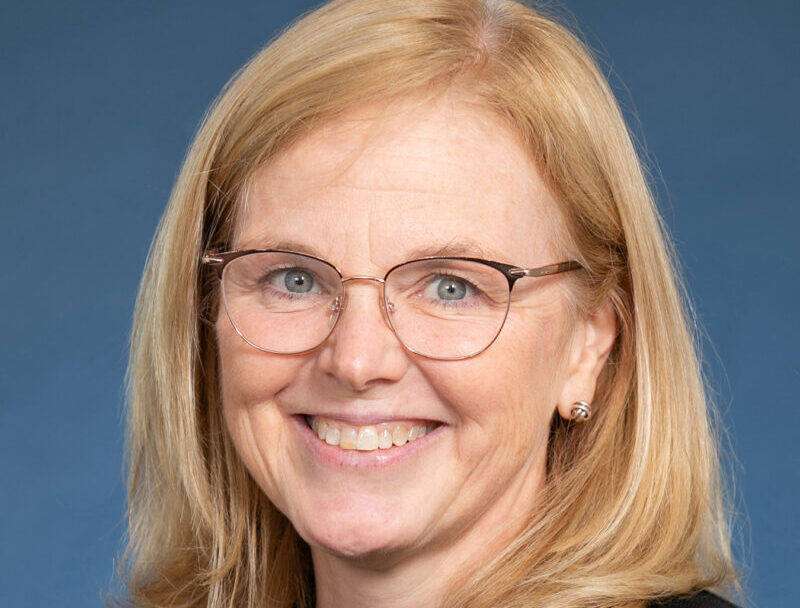
About the Speaker: Dr. Heather C. Forkey

Dr. Heather C. Forkey is a Professor of Pediatrics at the University of Massachusetts Chan Medical School, where she also serves as Vice Chair of Pediatrics and Director of the Foster Children Evaluation Service (FaCES) and the Child Protection Program at UMass Memorial Children’s Medical Center.

Tags:

Behavioral Healthbest of the internetBrain DevelopmentChildhood Traumadevelopmental DisabilitiesMental Healthtrauma informed care

Healing the Long-term Effects of Childhood Adversity

Speaker nadine-burke-harris

Adverse childhood experiences (ACEs) include physical, emotional, or sexual abuse, physical or emotional neglect, and other household adversities, and were found to be more common than expected in a landmark study by the Centers for Disease Control and Prevention and Kaiser Permanente. The study found that two-thirds of the population had at least one ACE, and one in eight individuals had four or more, which increased their risk for leading health problems in the US, including heart disease, cancer, and stroke.

In this webinar you will learn (Learning Objectives):

  • The Impact of ACEs on Health and Development
  • Understanding Toxic Stress
  • The Prevalence of ACEs and the Importance of Speaking the Truth
  • Community Adversities and Their Impact on ACEs
  • The Role of Pharmaceutical Companies and Advocacy, and many more!

About the Speaker: Dr. Nadine Burke Harris

Dr. Nadine Burke Harris is a Canadian-American pediatrician who served as the first Surgeon General of California from 2019 to 2022. She is known for her advocacy on adverse childhood experiences (ACEs) and is the author of the book “The Deepest Well.” She is also the founder of the Center for Youth Wellness in San Francisco.

Tags:

best of the internetdevelopmental DisabilitiesMental Health

Alzheimer’s Disease – Managing Stages of Dementia

photo of dr. nathaniel chin

The key difference between mild cognitive impairment and dementia is functional impairment, with mild cognitive impairment being functionally independent and dementia having a functional impairment. Basic activities of daily living, such as bathing and eating, are affected later in the disease, while instrumental activities, such as managing finances and cooking, are more likely to change as the disease progresses. Early diagnosis is crucial, allowing individuals to make clear their wishes, such as whether they want to be at home or in a care facility, and to have advanced directives in place. In the moderate stage of dementia, there is a need for more support, and decisions may need to be made about activating power of attorney for healthcare and transitioning into assisted living.

In this webinar you will learn (Learning Objectives):

  • Moderate Stage and Care Considerations
  • Medication and Treatment Options
  • Caregiver Challenges and Support

About the Speaker: Dr. Nathaniel Chin, MD

Dr. Nathaniel Chin is the medical director and Clinical Core Co-Leader for the Wisconsin Alzheimer’s Disease Research Center (ADRC). His clinical interests focus on geriatric medicine, Alzheimer’s disease, and dementia.

Tags:

Alzheimer’s Carebest of the internetCaregiver SupportDementia Stagesdevelopmental DisabilitiesMemory CareMental Health

MCI, Alzheimer’s and Dementia – What’s the Difference?

Speaker Dr leslie kernisan

Understanding the differences among MCI, Alzheimer’s disease, and other forms of dementia is crucial for accurate diagnosis and appropriate management. While MCI involves milder cognitive changes that do not substantially disrupt daily activities, dementia encompasses more severe impairments, with Alzheimer’s being a specific, progressive form of dementia. Early recognition and differentiation of these conditions can lead to better treatment outcomes and improved quality of life for individuals affected by cognitive impairments.

In this webinar you will learn (Learning Objectives):

  • What is “mild cognitive impairment”
  • What is the difference between MCI and dementia?
  • The difference between Alzheimer’s and dementia
  • What is “preclinical” Alzheimer’s disease
  • Dementia basic info: what it is, signs and symptoms, and many more!

About the Speaker: Dr. Leslie Kernisan, MD, MPH

Dr. Leslie Kernisan is a board-certified geriatrician specializing in healthcare for older adults. She focuses on educating and empowering caregivers to improve the health and well-being of aging individuals, providing practical advice for both older adults and those caring for aging parents.

Tags:

Alzheimer’s Diseasebest of the internetbrain healthCognitive ImpairmentDementia Awarenessdevelopmental DisabilitiesMCI vs DementiaMental Health

Youth Mental Health First Aid

Youth Mental Health First Aid is a valuable program that empowers adults to support young people facing mental health challenges. By increasing awareness and providing practical skills, YMHFA contributes to early intervention and the overall mental well-being of communities.

In this webinar you will learn (Learning Objectives):

  • Mental Health Resources and Course Logistics
  • Course Overview and Importance of Support
  • Challenges and Goals of Youth Mental Health First Aid
  • Introduction to Youth Mental Health First Aid
  • What is Youth Mental Health First Aid, and many more!

About the Speaker: Dr. Andrea Matheson

Dr. Andrea Matheson is a school psychologist with experience practicing in schools and behavioral pediatric settings. In her 25 years at Heartland AEA, she has served as a school psychologist, assessment consultant, professional learning provider, and currently holds the position of an Agency-wide lead for Social Emotional Behavior Mental Health (SEBMH). Andrea is passionate about assisting schools to build multi-tiered systems of support focusing on SEBMH. She is a certified Youth Mental Health First Aid Instructor and holds a doctoral degree in School Psychology from Iowa State University. Andrea lives in Johnston with her two teens and enjoys supporting them in their activities.

Tags:

best of the internetdevelopmental DisabilitiesEarly InterventionMental HealthSupporting TeensYMHFA Training

Working With Families of Children With Developmental Delays: For Home Visitors

Home visitors play a crucial role in supporting families of children with developmental delays. By conducting early screenings, providing tailored resources, and adopting a family-centered approach, they help empower families to effectively support their child’s development.

Child development is a crucial aspect of a child’s life, and one in four children between the ages of 0 and 5 are at moderate or high risk for a developmental, behavioral, or social delay. The American Academy of Pediatrics recommends routine developmental screening and surveillance at every well-child visit, including home visits, to identify potential developmental delays. Tracking milestones in four domains – social-emotional, cognitive, movement and physical, and language and communication – is essential to identify potential developmental delays. Protective factors, such as parental resilience, social connections, and knowledge of parenting and child development, can help support development and can be learned and developed.

In this webinar you will learn (Learning Objectives):

  • Developmental Delays and Disabilities
  • The Role of Home Visitors in Supporting Child Development
  • Working with Families of Children with Developmental Delays
  • Addressing Barriers and Providing Support
  • Accessing Services and Resources, and many more!

About the Speaker: Fran Goldfarb, MA, MCHES, CSPS

Fran Goldfarb, MA, MCHES, CSPS is excited to be joining Purchin Consulting. Fran recently retired as the Director of Community Education at the USC University Center for Excellence in Developmental Disabilities Research, Education and Service at Children’s Hospital Los Angeles (USC UCEDD CHLA).

She served as the Family Support Discipline Director in LEND, their advanced level interdisciplinary training program. Ms. Goldfarb has a bachelor’s degree in Human Development and a master’s degree in Social Science. She is credentialed as a Master Certified Health Education Specialist.

She was also the first person in California credentialed as a Certified Family Peer Specialist. Together with her husband, she founded and facilitates the Los Angeles Asperger Syndrome Parent Support Group. Most importantly, she is the parent of an adult son with a developmental disability and other psychiatric disabilities.

Tags:

best of the internetChild Development ResourcesDevelopmental Delaysdevelopmental DisabilitiesFamily-Centered CareHome Visitor SupportMental HealthSupporting Children with Disabilities