Martin Luther King Jr Speeches – I Have A Dream and I’ve Been to the Mountaintop

Speaker: Martin Luther King, Jr.

Martin Luther King – I Have A Dream Speech

The presentation of Dr. Martin Luther King, Jr. is introduced as the moral leader of the nation, and he expresses his happiness to join the demonstration for freedom, which will be remembered as the greatest in the nation’s history. Dr. Martin Luther King, Jr. references the Emancipation Proclamation signed by a great American 100 years ago, which brought hope to millions of negro slaves, but notes that 100 years later, the Negro is still not free and is crippled by segregation and discrimination.

The Negro lives in poverty, is languished in the corners of American society, and finds himself in exile in his own land, prompting the demonstration to dramatize this shameful condition and to cash a check for the promised unalienable rights of life, liberty, and the pursuit of happiness. America has defaulted on its promisory note to its citizens of color, giving them a bad check marked insufficient funds, but Dr. Martin Luther King, Jr. refuses to believe that the Bank of Justice is bankrupt and that there are insufficient funds in the nation’s opportunities.

In this webinar you will learn (Learning Objectives):

  • The Urgency of the Moment
  • The Struggle for Civil Rights
  • The Dream of Equality and Freedom

Martin Luther King Speaks! “I’ve Been to the Mountaintop”

Martin Luther King Jr. explains why he is in Birmingham and responds to criticism that the civil rights demonstrations were “unwise and untimely.” Writing from jail, he calmly outlines his role as a minister and leader of the Southern Christian Leadership Conference, emphasizing that injustice anywhere is a threat to justice everywhere.

King describes the purpose of nonviolent direct action and explains that peaceful protest is used to create necessary tension-tension that forces communities to confront injustice rather than ignore it. He challenges the idea of waiting for change, arguing that justice delayed is justice denied, especially for those who experience daily discrimination and humiliation.

In this webinar you will learn (Learning Objectives):

  • The Hypothetical Scenario of Choosing a Historical Era
  • The Significance of the Twentieth Century
  • The Negro Community’s Determination and Unity
  • Addressing Injustice: The Sanitation Workers’ Struggle
  • Nonviolent Protests and Historical Precedents, and many more!

About the Speaker: Martin Luther King Jr.

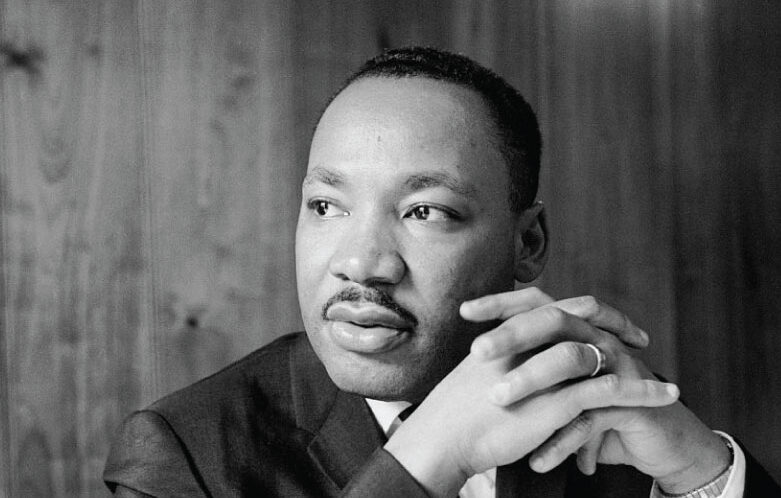
Martin Luther King Jr. (born January 15, 1929; died April 4, 1968) was a Baptist minister and prominent civil rights activist in the United States. He emerged as a leading figure in the 1950s and 1960s, advocating for racial equality through nonviolent resistance. His leadership in key events like the Montgomery Bus Boycott and the 1963 March on Washington solidified his legacy.

King’s powerful oratory, including the iconic ‘I Have a Dream’ speech, galvanized national attention on systemic racism. He was awarded the Nobel Peace Prize in 1964 for his efforts. His assassination in Memphis, Tennessee, shocked the nation and intensified the struggle for civil rights.

Tags:

best of the internetcultural competenceDEIdiversityequityinclusionMartin Luther Kingrace and culture

Martin Luther King Jr. Reads His Letter from a Birmingham Jail

Speaker: Martin Luther King, Jr.

Martin Luther King Jr. is responding to a statement from fellow clergymen that criticized their current activities in Birmingham as “unwise and untimely”, and they want to address this criticism in a patient and reasonable manner. He serves as the president of the Southern Christian Leadership Conference, an organization with affiliates across the South, including the Alabama Christian Movement for Human Rights in Birmingham, which is why they are in the city.

Martin Luther King Jr. believes they are in Birmingham not just because they were invited, but also because of the injustice present in the city, and they feel compelled to address it, just like the prophets and the Apostle Paul did in their time. He thinks that all communities and states are interconnected, and therefore, they cannot ignore the injustices in Birmingham, as they are a threat to justice everywhere, and anyone living in the United States cannot be considered an outsider

In this webinar you will learn (Learning Objectives):

  • The Nonviolent Campaign and Direct Action Strategy
  • Criticism of the Clergymen’s Statement and Justification for Action
  • Moral and Historical Justification for Civil Disobedience
  • Civil Disobedience and Its Ethical Foundations
  • The Church’s Failure to Address Social Justice, and many more!

About the Speaker: Martin Luther King Jr.

Martin Luther King Jr. (born January 15, 1929; died April 4, 1968) was a Baptist minister and prominent civil rights activist in the United States. He emerged as a leading figure in the 1950s and 1960s, advocating for racial equality through nonviolent resistance. His leadership in key events like the Montgomery Bus Boycott and the 1963 March on Washington solidified his legacy.

King’s powerful oratory, including the iconic ‘I Have a Dream’ speech, galvanized national attention on systemic racism. He was awarded the Nobel Peace Prize in 1964 for his efforts. His assassination in Memphis, Tennessee, shocked the nation and intensified the struggle for civil rights.

Tags:

best of the internetcultural competenceDEIdiversityequityinclusionMartin Luther Kingrace and culture

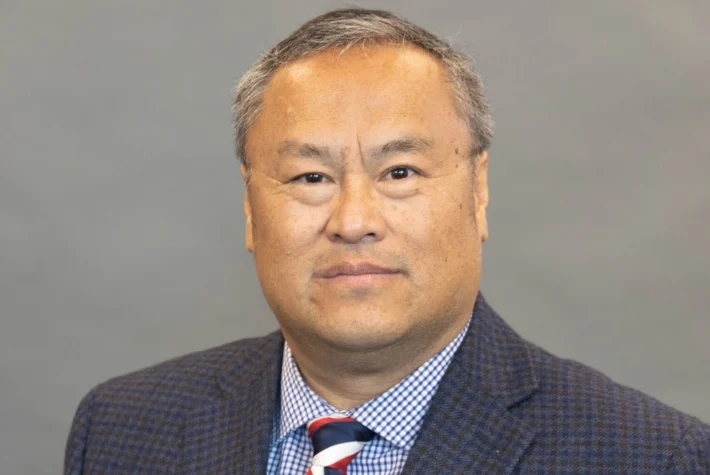
Diving Deep into Hmong History with a College Professor

The Hmong community has different generations, including the parent’s generation who know their identity, the Hmong-American generation who are trying to learn about their heritage, and the American-Hmong generation who are fully Americanized but want to learn about their roots. Many young Hmong people are interested in learning about their history and culture, but may not have access to information due to their parents’ reluctance to share painful experiences. A professor assigns students to interview their parents and grandparents about their experiences, including life in Laos, the evacuation, and time in refugee camps, to help them learn about their heritage. The professor suggests three areas of questioning for young Hmong people to ask their parents and grandparents: life in Laos, the evacuation and military service, and experiences in Thailand and refugee camps.

In this webinar you will learn (Learning Objectives):

  • Hmong American Experience and Adaptation
  • Hmong Identity and History
  • French Colonialism and Hmong Resistance
  • The Hmong Role in the Secret War
  • Hmong Resilience and Cultural Preservation, and many more!

About the Speaker: Lee Pao Xiong

Lee Pao Xiong is the founding Director of the Center for Hmong Studies and a professor at Concordia University, St. Paul. He is recognized for his contributions to the study and promotion of Hmong culture and history.

Tags:

best of the internetCultural HeritageDEIdiversityHmong American ExperienceHmong HistoryHmong ResilienceinclusionRefugee Stories

Belonging, A Critical Piece of Diversity, Equity and Inclusion

Carin Taylor’s talk underscores that belonging is the foundation upon which effective DEI initiatives are built. By creating environments where individuals feel safe, valued, and connected, organizations can harness the full potential of their diverse teams, leading to enhanced innovation and success.

In this webinar you will learn (Learning Objectives):

  • Definition of Belonging
  • P.E.A.C.E. Framework
  • Impact on Organizations

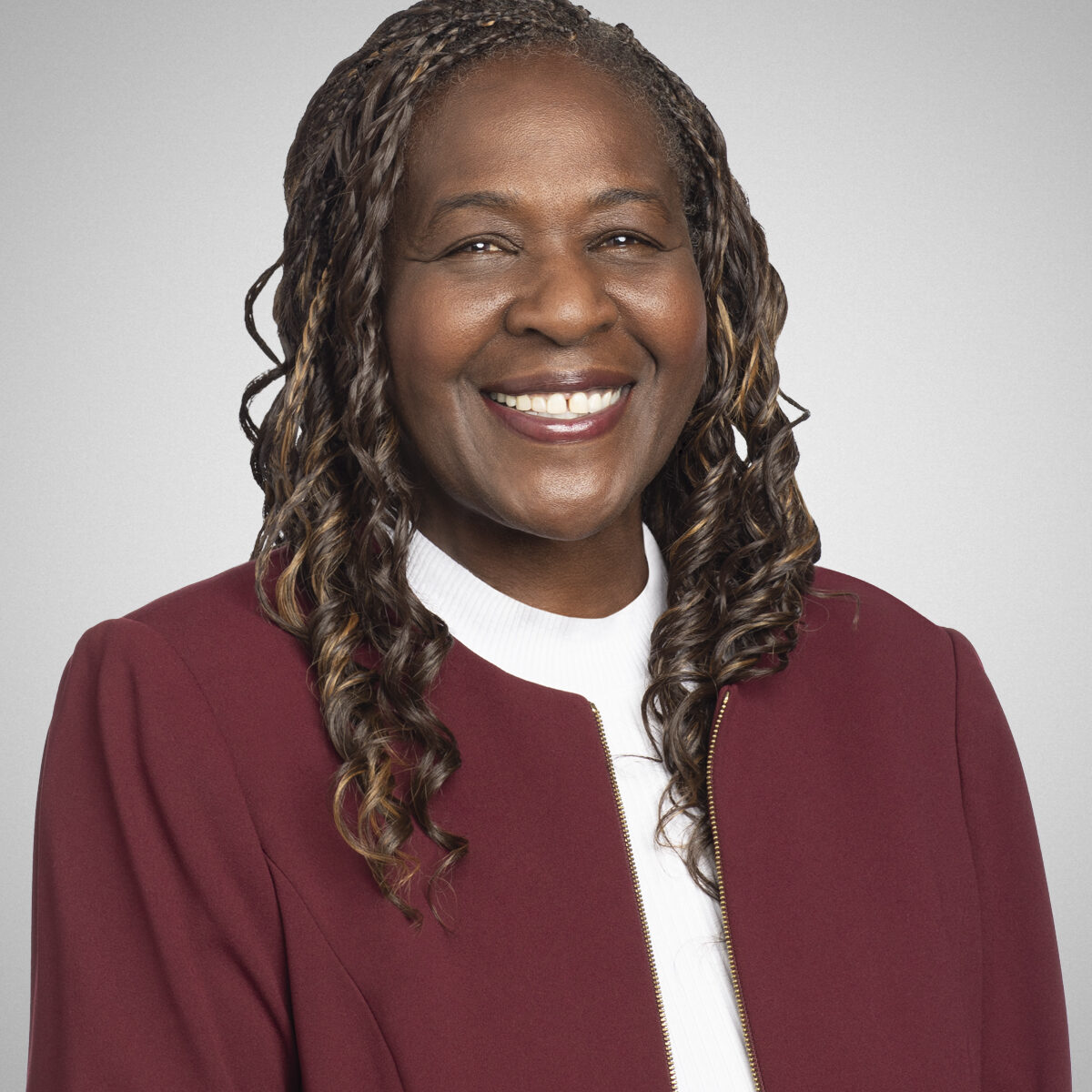
About the Speaker: Carin Taylor

Carin Taylor is the Chief Diversity Officer at Workday, where she is responsible for the global development, evolution, and execution of the company’s vision for diversity, equity, and inclusion (DEI). She is also a renowned speaker and executive leadership coach focused on these topics.

Tags:

best of the internetcultural competenceDEIdiversityequityinclusionWorkplace Belonging

Develop Interpersonal Skills for Inclusive Conversations at Work

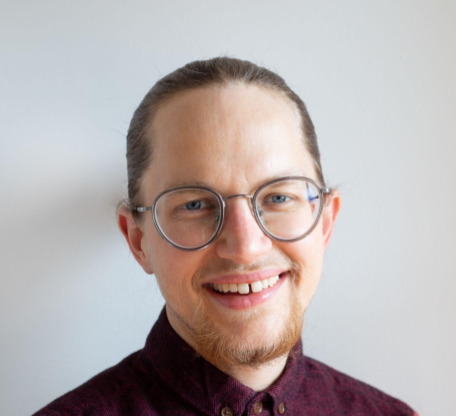
Speaker Sarah-Soonling Blackburn

Strong interpersonal skills at work are essential.  In this webinar,  Sarah-SoonLing Blackburn will share the actions and skills needed to support an inclusive work culture.

You will learn (Learning Objectives):

  • How to boost self awareness and become more curious.
  • How to deal with disagreement.
  • Deep listening.
  • How to apply these skills in one-on-one and group settings.

About the Presenter: Dr. Sarah-SoonLing Blackburn

Dr. Sarah-SoonLing Blackburn is an educator, speaker, trainer and writer.

Sarah has a B.A. from Haverford College, an M.A. in Social Justice and Education from University College London’s Institute of Education, and an Ed.D. from Johns Hopkins University. She is based out of Oxford, Mississippi.

Tags:

deep listeningDEIdiversityequityinclusioninclusive communicationinterpersonal skillsself awarenessworkplace inclusion

Still Kicking: Investigating the Intersection of Ageism and Ableism

Speaker Ryan Backer

Worried about how your mind or body might change over time?

That’s actually ableism, not ageism.

Why does it matter? Because we age well not by denying those changes, but by adapting to them.

In this webinar you will learn (Learning Objectives)

  • The difference between ageism and ableism.
  • How ageism and ableism intersect and reinforce each other.
  • Why it’s so important to dismantle the dread and dual stigma of ageism and ableism.

About the Speakers: Ryan Backer and Kelly Durden Posey

Ryan Backer

Ryan is an age activist, public speaker, and ‘old person in training’. They are aiming to eradicate ageism intersectionally.

Kelly Durden Posey

Kelly is the founder of Inspired Inclusivity Consulting. With over 14 years of experience as an attorney, HR Professional, and educator, and a wealth of experience advocating for the LGBTQ+ community, Kelly provides tangible, actionable strategies for embracing inclusion.

Tags:

ableismageismaging and abilityDEIdisability awarenessdiversityequityinclusionstigma reduction strategies

A Safe Place to Talk About Race: How to Address Race and Culture in the Workplace

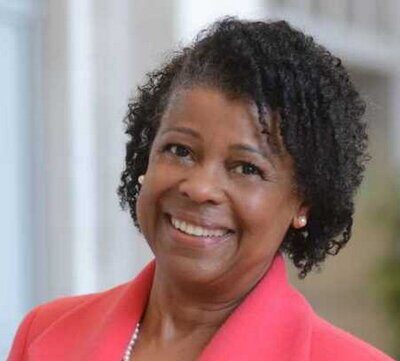
Speaker Sharon Davis

A Safe Place to Talk About Race: How to Address Race and Culture at Work

This webinar offers practical and real approaches to discuss and navigate the issues of race and culture in the workplace. You will discover steps and tools for more effective outcomes that help you lead with greater confidence.

You will learn:

  • Current Social Justice Issues – How to handle these at work.
  • It’s not our fault – Now, what basic definitions do we need to know?
  • Is Everything about race and culture? What’s the difference
  • Opportunities! 5 ways to respond when someone else makes mistakes.
  • Opportunities! 5+ ways to respond if you make mistakes.
  • What race and culture skills the best leaders demonstrate.

About the Speaker: Sharon Davis

Sharon Davis is a founding member of the Institute for Healing of Racism in 1987.

She has conducted International Dialogue Racism sessions in Mmabato, South Africa, and facilitated a Public Seminar on Cultural and Tribal Unity in Gabaronne, Botswana, and conflict resolution in China. She was interviewed by McNeil/Lehrer Newshour for the “Healing Racism in America” segment.

Sharon served as an International Institute and U.S Immigration Services speaker and MC at Swearing-in Ceremonies for new Americans, a regular TV panelist on “Interfaith Odyssey”, and Advisor and former Executive Director at the National Resource Center for Racial Healing which included being a Project Advisor – Diversity for NASA’s Jet Propulsion Laboratory Saturn Titan Mission.

Tags:

cultural competenceDEIdiversityequityinclusioninclusive leadershiprace and culturesocial justiceworkplace diversity

Race Matters

Speaker Cecilia Stanton Adams and Malissa Adams

This training focuses on structural racism. The trainers review the history of racism in the USA, address individual attitudes and knowledge, explore the concepts of internalized oppression and privilege, and examine how agency based and society-wide institutional arrangements implicitly or explicitly foster racism. Participants learn that they are institutional ‘‘gatekeepers’’ who can affect organizations either by acting to maintain or helping to undo racism.

Learning Objectives

  • How to unpack systemic racism.
  • How to unravel white privilege.
  • How to take steps to be an ally.
  • How to develop an action plan that can be immediately applied.

About the Presenters:

Cecilia Stanton Adams

Cecilia Stanton Adams is the CEO of Stanton Adams Consulting, LLC and is most known for her track record as an accomplished educator and Diversity thought leader. She is committed to a holistic approach to transforming organizations, teams and individuals with the principles of equity and inclusion.

Her education and over 15 years of experience in Strategic Diversity positions, she has contributed to the development of programs and services that increase representation of diversity from education, front line workers through to the highest levels of leadership.

Her visionary approach inspires others to recognize the diversity their organizations may be overlooking in: Recruitment, Retention, Training, Supplier Diversity and Community Relations.

Cecilia earned a Master’s Degree in Psychology & Sociology from Lehigh University in 2003. She also earned a Master’s Degree in Industrial Psychology from Capella University in 2009. She is currently working on earning a Doctor of Philosophy (PhD) and coaching from Sedona University.

Malissa Stanton Adams

Malissa is a diversity, inclusion and social equity expert. With over 15 years of experience in operations management and organizational development in the public and private sectors, Malissa understands how to motivate others and act as an effective liaison between organizations and members of under-served communities.

For the past 8 years Malissa has served as the COO of Stanton Adams Consulting, LLC. She also serves as the Housing Outreach Representative for Catholic Charities USA. In 2016 Malissa earned a Bachelor’s Degree in Business Administration from Rasmussen College. She is currently earning a Master’s Degree in Public & Nonprofit Administration from Metropolitan State University.

Tags:

allyshipanti-racism actionDEIdiversityequityinclusionstructural racismsystemic racismwhite privilege

Intersectionality: Intersections of Identities

Speaker Bruce-Thao

We live in a chaotic world that is growing increasingly more complex. Human services and public agencies are finding that those we serve are facing an increasing number of challenges in their lives. Further, our organizations are facing our own internal challenges to keep up with diversity, equity and inclusion practices. This webinar will focus on the concept of intersectionality and how it can be used as a framework to better understand ourselves, our organizations, and those we serve.

The session will help participants unpack and understand their own intersections of identity at the crossroads of race/ethnicity, gender, sexual orientation, class, religion, ability and more. From there we will dive deeper to understand how these aspects of ourselves inform both our privileges and vulnerabilities and how those inform how we serve clients, and how we show up in this world.

Webinar Learning Objectives:

  • Understand the concept of intersectionality.
  • Understand how our intersectional identities show up in the workplace and in the world.
  • Learn strategies using intersectionality to better serve our clients.

About the Presenter: Bruce Thao Bruce Thao is Founder & CEO of LIT Consulting – Lead. Inspire. Transform.

Bruce has over 12 years of experience working with diverse communities, including immigrants/ refugees, people of color and LGBTQ. Bruce brings added value to his clients through his combination of expertise in research, non-profit management, mental health & wellness, group facilitation, public policy and leadership development. He provides transformational coaching, diversity training and consulting at the intersections of race, class, gender and sexual orientation to help clients better understand how to evolve in our ever changing global landscape. His work helps leaders to show up as their best and full selves every day.

Through LIT, Bruce works with non-profits, government, academic institutions and foundations to assess and understand systems of oppression, diversity and inclusion both within and outside of the workplace, and to craft strategies to co-create new ways of thinking and working for equity. His leadership coaching focuses on empowering people of color and/or LGBTQ individuals with strategies to harness their inherent resilience and power to bring their full and best selves into the workplace and the world. Prior to his consulting work, Bruce served for 5 years as Director of Programs of a $10 million non-profit driving national policy work, research, and capacity building programs for organizations across the country. Bruce holds a B.S. and M.S. in Psychology from St. Joseph’s University, an M.A. in Social Welfare and completion of all doctoral coursework in Social Welfare from the University of Chicago. He is a 2013 Bush Foundation Leadership Fellow, a 2014 White House Champion of Change, and was named 2016 Young Professional of the Year by the Saint Paul Area Chamber of Commerce. Bruce is currently authoring a book on historical trauma & radical healing.

Tags:

DEIdiversityequityidentity awarenessinclusioninclusive serviceintersectionalitysocial justice

Microaggressions

Speaker Marcus Hollan

Microaggressions are the everyday encounters of subtle discrimination that people of various marginalized groups experience throughout their lives. Microagressions can be intentional, unintentional and/or unconscious, and have a big impact on morale in the workplace.

In this webinar you will learn (Learning objectives)

  • The definition of microaggressions.
  • Examples of microagressions.
  • How microaggressions impact us and others in the workplace.
  • Techniques to manage, minimize and eliminate microaggressions in our workplace.

About the Presenter: Marcus Hollan

Marcus Hollan is the COO of Studio5 Learning. Studio5 Learning is a San Francisco-based learning design firm focused on people development. Marcus is also the Executive Director of the Cultivating Change Foundation. The foundation elevates LGBTQ agriculturists through advocacy, education and, community. Marcus earned a Master’s Degree in Community & Leadership Development from the University of Kentucky.

Tags:

biasbias awarenessDEIdiversityequityinclusionmicroaggressionsrespectful workplaceworkplace discrimination