
What you don’t know can hurt you—and what you don’t talk about can absolutely destroy your team, your organization, and your career.
This webinar will give you and your team a framework to have higher quality conversations that directly and positively impact your work and culture.
In this webinar you will learn: (Learning Objectives)
- The impact the leader’s “echo” has on employees as it reverberates throughout the organization.
- How to prevent team member burnout by recognizing their accomplishments while giving them a new goal to shoot for.
- The power of embracing effort itself as a talent that leaders can recognize and encourage in their teams.
- Why so many leaders allow groupthink and the “disease to please” to stifle productive problem solving and constructive disagreement.
- How to harness conflict as a catalyst for growth through healthy confrontation.
- Why team members and peers often feel blindsided by feedback and constructive criticism.
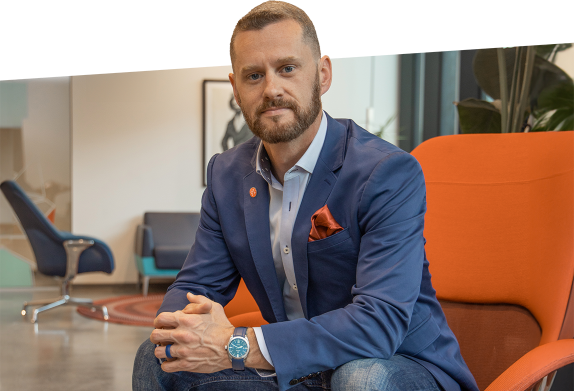
About the Speaker: Zack Schaefer
Zach “Dr. Z” Schaefer is a successful entrepreneur, leadership coach, award-winning consultant, and highly-booked speaker. Three things you should know about Dr. Z:
1) He works with leaders to improve leadership communication behaviors and positively transform their organizations.
2) He’s a retired Associate Professor from the field of Applied Communication.
3) He’s a co-owner and Chief Culture Officer at The Post Sports Bar & Grill, a growing sports bar chain based in St. Louis, MO.
Tags:
Adversity, Avoidance, Burnout, conflict resolution, constructive feedback, effective communication, leadership development, Navigating Awareness, workplace communication
