
Motivational Interviewing Skills

A doctor’s approach to telling a patient to quit smoking can be ineffective if the patient is not ready to change, as seen in a story about a man who only quits smoking after a personal experience. Motivational interviewing is a technique that helps people find their own motivation to change, rather than being told what to do by others. The stages of change theory, developed by Pesca and Declemente, describes the progression of change as precontemplation, contemplation, preparation, action, and maintenance. Understanding the stages of change can help clinicians empathize with patients who are ambivalent about changing their behavior.

In this webinar you will learn (Learning Objectives):

  • Motivational Interviewing Techniques and Principles
  • Engaging with Patients and Identifying Change Talk
  • Effective Communication Techniques in Motivational Interviewing
  • Reflections and Avoiding Confrontation
  • Introduction to Motivational Interviewing and Stages of Change, and many more!

About the Speaker: Dr. Jonathan Fader, PhD

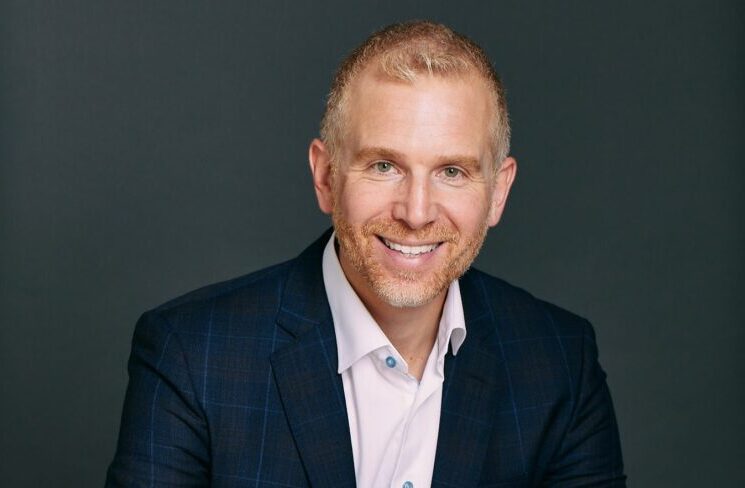
Dr. Jonathan Fader is a licensed clinical and performance psychologist based in New York City, renowned for his work with professional athletes, business leaders, and first responders. He co-founded Union Square Practice, a mental health center, and SportStrata, a performance coaching group, both located in New York City.

Tags:

behavior change, best of the internet, effective communication, motivational interviewing, Patient Engagement, Stages of Change

 

Motivational Interviewing

Speaker Angie Wood

Motivational interviewing can help you and the clients you serve clearly define goals, think things through, and move toward change.

Whether you’re considering losing weight, addressing an addiction, leaving a toxic relationship, or any number of other big goals, taking steps toward personal change requires a steadfast mindset and a detailed plan of action.

In this webinar you will learn practical prompts, guidance, and support for figuring out long-term goals, developing a solid plan to achieve them, and making a committed change.

It will help you and the clients you serve build your motivation, clarify your commitment to reaching your goals, and empower you to take charge of your future.

You will learn (Learning Objectives):

  • What motivational interviewing is and how it can help lead to personal change.
  • How to refine goals and identify obstacles.
  • How to build motivation and sustain positive change.

About the Presenter: Angie Wood, LCSW

Dr. Wood earned her masters degrees in social work from Southern Illinois University at Carbondale in 1992, and her Ph.D. in social work from Tulane University in 2006.

She has been in clinical practice in various settings and fields such as addictions, family preservation, community mental health, and criminal/juvenile justice.

In 2003 Dr. Wood was first trained in motivational interviewing, and worked as a research assistant for a project that evaluated the community-wide implementation of Motivational Interviewing.

By 2005 Dr. Wood began training juvenile justice staff on MI and eventually contributed a book chapter on MI training for paraprofessional staff in juvenile justice settings.

For over a decade Dr. Wood has conducted seminars and workshops for professionals in behavioral health, criminal justice, child welfare, and healthcare settings.

Tags:

behavior changeclient empowermentclient servicecustomer servicegoal settingmotivational intermotivational interviewingsustaining motivation

Authentic Influence: Communication that Moves Clients and Co-Workers to Action

Speaker Josh Dye

Popular based on survey feedback!

Do you want to have more success getting clients to make positive changes in their lives?

Do you want to have greater influence with your co-workers?

If so, it is important to understand what makes people say yes.

In this training we will cover practical, on-the-ground tips about how to communicate in a way that moves others to action.

You will learn: (Learning Objectives)

  • The 6 universal principles of Influence.
  • Motivational Interviewing techniques.
  • How to assertively ask for what you want without feeling awkward.
  • How to get buy-in on your ideas, plans, and processes without pressuring others.
  • How to guide clients and co-workers to win-win outcomes.
  • How to lead conversations to get positive results.

This is a great training for those who want to communicate more persuasively while remaining authentic and kind.

Tags:

assertive communicationauthentic influenceBy Josh Dyeeffective communicationleadership communicationmotivational interviewingpersuasive communicationPopular