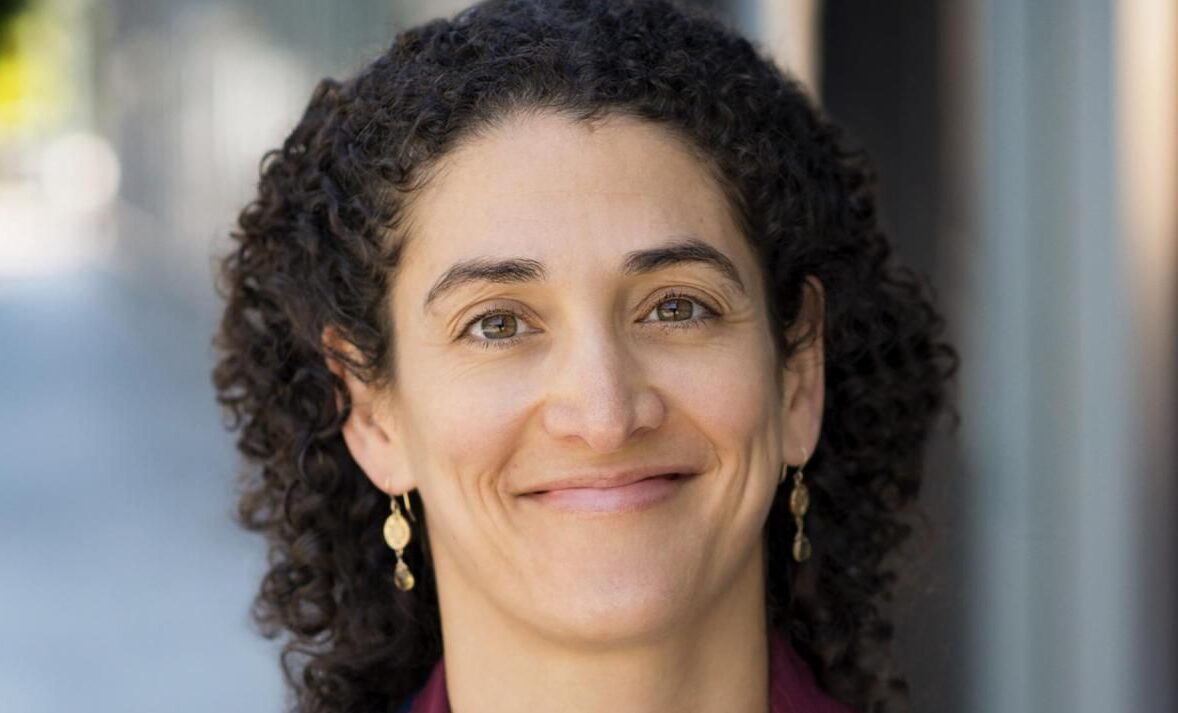
MCI, Alzheimer’s and Dementia – What’s the Difference?

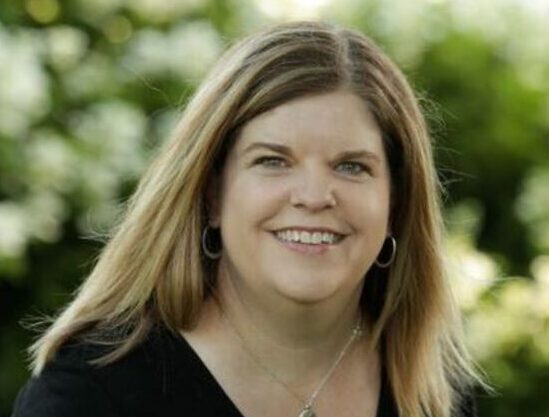
Speaker Dr leslie kernisan

Understanding the differences among MCI, Alzheimer’s disease, and other forms of dementia is crucial for accurate diagnosis and appropriate management. While MCI involves milder cognitive changes that do not substantially disrupt daily activities, dementia encompasses more severe impairments, with Alzheimer’s being a specific, progressive form of dementia. Early recognition and differentiation of these conditions can lead to better treatment outcomes and improved quality of life for individuals affected by cognitive impairments.

In this webinar you will learn (Learning Objectives):

  • What is “mild cognitive impairment”
  • What is the difference between MCI and dementia?
  • The difference between Alzheimer’s and dementia
  • What is “preclinical” Alzheimer’s disease
  • Dementia basic info: what it is, signs and symptoms, and many more!

About the Speaker: Dr. Leslie Kernisan, MD, MPH

Dr. Leslie Kernisan is a board-certified geriatrician specializing in healthcare for older adults. She focuses on educating and empowering caregivers to improve the health and well-being of aging individuals, providing practical advice for both older adults and those caring for aging parents.

Tags:

Alzheimer’s Diseasebest of the internetbrain healthCognitive ImpairmentDementia Awarenessdevelopmental DisabilitiesMCI vs DementiaMental Health

Youth Mental Health First Aid

Youth Mental Health First Aid is a valuable program that empowers adults to support young people facing mental health challenges. By increasing awareness and providing practical skills, YMHFA contributes to early intervention and the overall mental well-being of communities.

In this webinar you will learn (Learning Objectives):

  • Mental Health Resources and Course Logistics
  • Course Overview and Importance of Support
  • Challenges and Goals of Youth Mental Health First Aid
  • Introduction to Youth Mental Health First Aid
  • What is Youth Mental Health First Aid, and many more!

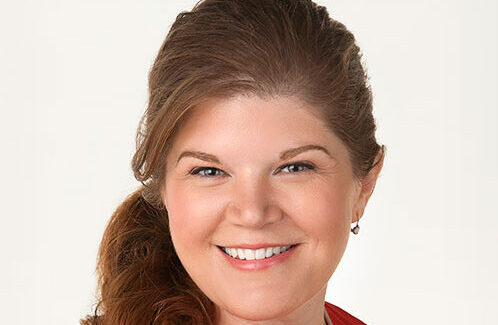
About the Speaker: Dr. Andrea Matheson

Dr. Andrea Matheson is a school psychologist with experience practicing in schools and behavioral pediatric settings. In her 25 years at Heartland AEA, she has served as a school psychologist, assessment consultant, professional learning provider, and currently holds the position of an Agency-wide lead for Social Emotional Behavior Mental Health (SEBMH). Andrea is passionate about assisting schools to build multi-tiered systems of support focusing on SEBMH. She is a certified Youth Mental Health First Aid Instructor and holds a doctoral degree in School Psychology from Iowa State University. Andrea lives in Johnston with her two teens and enjoys supporting them in their activities.

Tags:

best of the internetdevelopmental DisabilitiesEarly InterventionMental HealthSupporting TeensYMHFA Training

Boundaries, Feelings and Core Emotions

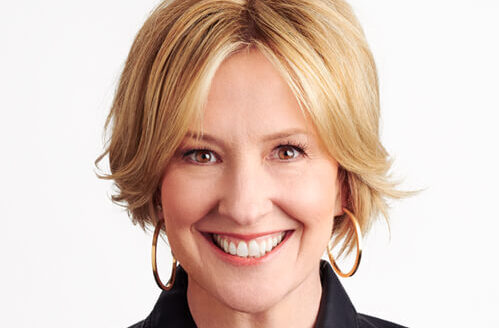
picture of brene brown

Connection is why humans are here, giving purpose and meaning to lives, and is neurobiologically how people are wired.

Shame is the fear of disconnection, and is easily understood as the fear that there is something about oneself that, if others know or see it, will make one unworthy of connection.

The people who have a strong sense of love and belonging believe they are worthy of love and belonging, and this is the only variable that separates them from those who struggle for it.

Wholehearted people, who live from a deep sense of worthiness, have in common a sense of courage, compassion to be kind to themselves and others, and connection as a result of authenticity.

In this webinar you will learn (Learning Objectives):

  • Wholeheartedness and Vulnerability
  • Numbing Vulnerability and Its Consequences
  • Practicing Vulnerability and Believing in Enoughness

About the Speaker: Brené Brown

Casandra Brené Brown (born November 18, 1965) is an American academic and podcaster who is the Huffington Foundation’s Brené Brown Endowed Chair at the University of Houston’s Graduate College of Social Work and a visiting professor in management at the McCombs School of Business in the University of Texas at Austin. Brown is known for her work on shame, vulnerability, and leadership, and for her widely viewed 2010 TEDx talk. She has written six number-one New York Times bestselling books and hosted two podcasts on Spotify.

Tags:

best of the internetConnection & BelongingPower of Vulnerabilityresilienceself careWholehearted Living

Working With Families of Children With Developmental Delays: For Home Visitors

Home visitors play a crucial role in supporting families of children with developmental delays. By conducting early screenings, providing tailored resources, and adopting a family-centered approach, they help empower families to effectively support their child’s development.

Child development is a crucial aspect of a child’s life, and one in four children between the ages of 0 and 5 are at moderate or high risk for a developmental, behavioral, or social delay. The American Academy of Pediatrics recommends routine developmental screening and surveillance at every well-child visit, including home visits, to identify potential developmental delays. Tracking milestones in four domains – social-emotional, cognitive, movement and physical, and language and communication – is essential to identify potential developmental delays. Protective factors, such as parental resilience, social connections, and knowledge of parenting and child development, can help support development and can be learned and developed.

In this webinar you will learn (Learning Objectives):

  • Developmental Delays and Disabilities
  • The Role of Home Visitors in Supporting Child Development
  • Working with Families of Children with Developmental Delays
  • Addressing Barriers and Providing Support
  • Accessing Services and Resources, and many more!

About the Speaker: Fran Goldfarb, MA, MCHES, CSPS

Fran Goldfarb, MA, MCHES, CSPS is excited to be joining Purchin Consulting. Fran recently retired as the Director of Community Education at the USC University Center for Excellence in Developmental Disabilities Research, Education and Service at Children’s Hospital Los Angeles (USC UCEDD CHLA).

She served as the Family Support Discipline Director in LEND, their advanced level interdisciplinary training program. Ms. Goldfarb has a bachelor’s degree in Human Development and a master’s degree in Social Science. She is credentialed as a Master Certified Health Education Specialist.

She was also the first person in California credentialed as a Certified Family Peer Specialist. Together with her husband, she founded and facilitates the Los Angeles Asperger Syndrome Parent Support Group. Most importantly, she is the parent of an adult son with a developmental disability and other psychiatric disabilities.

Tags:

best of the internetChild Development ResourcesDevelopmental Delaysdevelopmental DisabilitiesFamily-Centered CareHome Visitor SupportMental HealthSupporting Children with Disabilities

The power of vulnerability

picture of brene brown

Connection is why humans are here, giving purpose and meaning to lives, and is neurobiologically how people are wired.

Shame is the fear of disconnection, and is easily understood as the fear that there is something about oneself that, if others know or see it, will make one unworthy of connection.

The people who have a strong sense of love and belonging believe they are worthy of love and belonging, and this is the only variable that separates them from those who struggle for it.

Wholehearted people, who live from a deep sense of worthiness, have in common a sense of courage, compassion to be kind to themselves and others, and connection as a result of authenticity.

In this webinar you will learn (Learning Objectives):

  • Wholeheartedness and Vulnerability
  • Numbing Vulnerability and Its Consequences
  • Practicing Vulnerability and Believing in Enoughness

About the Speaker: Brené Brown

Casandra Brené Brown (born November 18, 1965) is an American academic and podcaster who is the Huffington Foundation’s Brené Brown Endowed Chair at the University of Houston’s Graduate College of Social Work and a visiting professor in management at the McCombs School of Business in the University of Texas at Austin. Brown is known for her work on shame, vulnerability, and leadership, and for her widely viewed 2010 TEDx talk. She has written six number-one New York Times bestselling books and hosted two podcasts on Spotify.

Tags:

best of the internetConnection & BelongingPower of Vulnerabilityresilienceself careWholehearted Living

Listening to shame

picture of brene brown

Shame is a crucial topic to discuss, as it’s closely tied to vulnerability and can prevent people from talking about important issues like race and privilege

The speaker believes that shame is what holds people back from having honest conversations and that it’s necessary to acknowledge and work through shame in order to move forward

The concept of shame is also relevant in other areas, such as medicine, where it can prevent people from admitting mistakes and learning from them

In this webinar you will learn (Learning Objectives):

  • Overcoming Shame with Empathy and Vulnerability
  • Understanding Shame
  • The Importance of Risk-Taking
  • Vulnerability and its Importance

About the Speaker: Brené Brown

Casandra Brené Brown (born November 18, 1965) is an American academic and podcaster who is the Huffington Foundation’s Brené Brown Endowed Chair at the University of Houston’s Graduate College of Social Work and a visiting professor in management at the McCombs School of Business in the University of Texas at Austin. Brown is known for her work on shame, vulnerability, and leadership, and for her widely viewed 2010 TEDx talk. She has written six number-one New York Times bestselling books and hosted two podcasts on Spotify.

Tags:

best of the internetovercoming shamepersonal growthresilienceself careUnderstanding Shame

Balance Your Boundaries

photo of Dr. Jody Janati

The topic of discussion is boundary setting and how to set a good boundary. A methodology for setting boundaries will be provided. 

In this webinar you will learn (Learning Objectives):

  • BALANCE YOUR BOUNDARIES
  • A Problem Well Stated is a Problem Half Solved
  • NEUTRALIZE YOUR LANGUAGE Debatable Issue

About the Speaker: Dr. Jody Janati

Dr. Jody Janati is an accomplished author, speaker, and educator specializing in interpersonal conflict resolution and effective communication strategies. She holds an Ed.D. in Organizational Leadership and an M.A. in Speech Communication.

Tags:

Balance Your Boundariesbest of the internetBoundariescommunication skillspersonal growthresilienceself care

Diving Deep into Hmong History with a College Professor

The Hmong community has different generations, including the parent’s generation who know their identity, the Hmong-American generation who are trying to learn about their heritage, and the American-Hmong generation who are fully Americanized but want to learn about their roots. Many young Hmong people are interested in learning about their history and culture, but may not have access to information due to their parents’ reluctance to share painful experiences. A professor assigns students to interview their parents and grandparents about their experiences, including life in Laos, the evacuation, and time in refugee camps, to help them learn about their heritage. The professor suggests three areas of questioning for young Hmong people to ask their parents and grandparents: life in Laos, the evacuation and military service, and experiences in Thailand and refugee camps.

In this webinar you will learn (Learning Objectives):

  • Hmong American Experience and Adaptation
  • Hmong Identity and History
  • French Colonialism and Hmong Resistance
  • The Hmong Role in the Secret War
  • Hmong Resilience and Cultural Preservation, and many more!

About the Speaker: Lee Pao Xiong

Lee Pao Xiong is the founding Director of the Center for Hmong Studies and a professor at Concordia University, St. Paul. He is recognized for his contributions to the study and promotion of Hmong culture and history.

Tags:

best of the internetCultural HeritageDEIdiversityHmong American ExperienceHmong HistoryHmong ResilienceinclusionRefugee Stories

Belonging, A Critical Piece of Diversity, Equity and Inclusion

Carin Taylor’s talk underscores that belonging is the foundation upon which effective DEI initiatives are built. By creating environments where individuals feel safe, valued, and connected, organizations can harness the full potential of their diverse teams, leading to enhanced innovation and success.

In this webinar you will learn (Learning Objectives):

  • Definition of Belonging
  • P.E.A.C.E. Framework
  • Impact on Organizations

About the Speaker: Carin Taylor

Carin Taylor is the Chief Diversity Officer at Workday, where she is responsible for the global development, evolution, and execution of the company’s vision for diversity, equity, and inclusion (DEI). She is also a renowned speaker and executive leadership coach focused on these topics.

Tags:

best of the internetcultural competenceDEIdiversityequityinclusionWorkplace Belonging

Mental Health Needs and Supports for the Entire Family of a Child with a Developmental Disability

Supporting the mental health of families with a child who has a developmental disability is crucial. Parents and siblings often experience significant emotional challenges, including stress, anxiety, and feelings of isolation. Access to comprehensive mental health services and resources is essential to address these challenges effectively.

Early intervention and tailored support can significantly improve the well-being of both the child and their family members. Collaborative efforts among healthcare providers, educators, and community organizations are vital in creating a supportive environment that fosters resilience and positive outcomes for the entire family.

In this webinar you will learn (Learning Objectives):

  • Family Adjustment and Adaptation
  • Strengths and Talents of Children with Developmental Disabilities
  • Family Support and Experiences
  • Positives of Raising a Child with a Disability
  • Challenges and Family Dynamics, and many more!

About the Speaker: Dr. Sergio Aguilar-Gaxiola, M.D., Ph.D.

Sergio Aguilar-Gaxiola is Professor of Clinical Internal Medicine in the Department of Internal Medicine, School of Medicine, University of California, Davis. He is also Founding Director of the newly developed Center for Reducing Health Disparities at UC Davis Health System. Dr. Aguilar-Gaxiola is the on-site Principal Investigator of the Mexican American Prevalence and Services Survey (MAPSS), the largest mental health study conducted in the U.S. on Mexican Americans. He is a member of the National Advisory Mental Health Council (NAMHC), National Institute of Mental Health (NIMH).

Tags:

best of the internetChild Disability Resourcesdevelopmental DisabilitiesDevelopmental Disability Supportfamily mental healthFamily Well-BeingMental HealthSupporting Parents and Siblings