Neurodiversity in the Workplace: Myths, Advantages, and Simple Accommodations

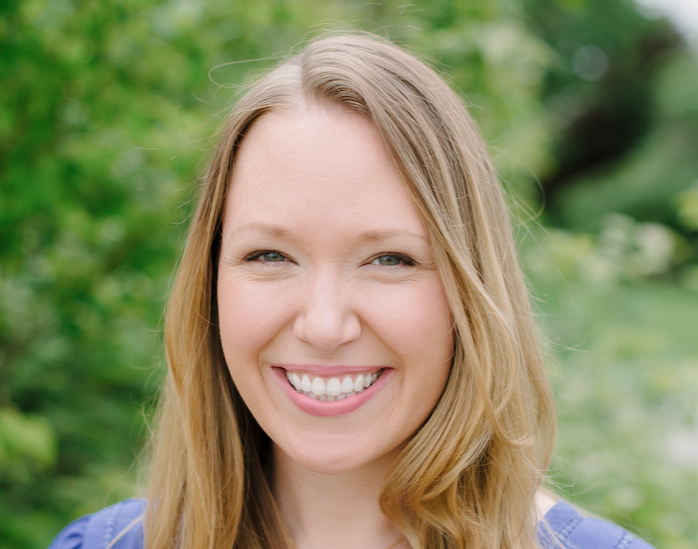
Courtney Zinder is an employer branding specialist who aims to build a culture where people can bring their true selves to work, including their neurodiversity.

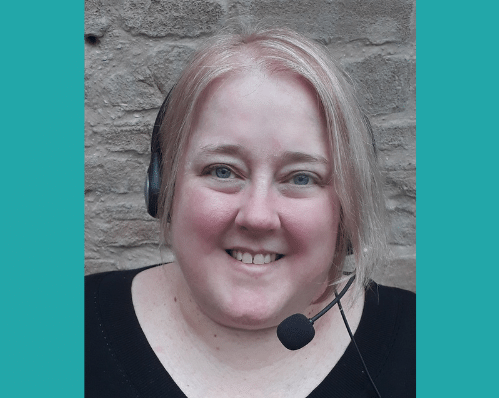
Taylor Heaton, a late-diagnosed autistic mom, shares her story to help develop an updated understanding of neurodiversity and how it affects individuals.

Heaton’s diagnosis changed everything for her, giving her vocabulary to describe her experiences and leading to feelings of validation, relief, and inner peace.

Neurodiversity refers to the differences among all people and how their brains work, causing them to experience and engage with the world in different ways, and is not considered a deficit or deviation.

The goal of neurodiversity is not to “fix” neurodivergent individuals to fit in with society, but to acknowledge and appreciate their unique strengths and perspectives, allowing them to contribute fully in their own way.

In this webinar you will learn (Learning Objectives):

  • Understanding Neurodiversity
  • Neurodiversity in the Workplace
  • Learning More and Supporting Neurodivergent Individuals

About the Speaker: Taylor Heaton – Mom on the Spectrum

Taylor Heaton is not a licensed psychologist or specialist healthcare professional. Her services do not replace the care of psychologists or other healthcare professionals.

At the age of 31, I finally discovered a term to help me understand my unique experience of the world: autism! My diagnosis came after years of therapy and being misdiagnosed as “anxious” and “stressed.” Now, I finally have a framework for understanding my life, and I use that knowledge to create resources for the autistic community.

Tags:

best of the internetdevelopmental DisabilitiesInclusive Workplace PracticesMental HealthNeurodivergent StrengthsNeurodiversity at WorkUnderstanding NeurodiversityWorkplace Accommodations

Is That Clear? Effective Communication in a Neurodiverse World

Picture of Joe Butler

The book “Is That Clear?” focuses on effective communication in a neurodiverse world, particularly between autistic and non-autistic people, and is based on the concept of double empathy by Damian Milton.

Double empathy refers to the challenges both autistic and non-autistic people face in understanding each other’s communication styles, which can lead to misunderstandings.

The book was written in collaboration with autistic people and aims to help non-autistic people adapt their language to be more inclusive and clear for autistic individuals.

Autistic readers, including Dean Beadle and Erin, have praised the book for helping to flip the narrative and promote better understanding and communication between autistic and non-autistic people.

In this webinar you will learn (Learning Objectives):

  • Understanding and Adapting Language
  • Specific Communication Strategies
  • Contact and Workshop Information

About the Speaker: Joe Butler from Special Educational Needs and Disability

My name is Joe Butler (pronouns: she/her), and I’m an education consultant specialising in autism and all aspects of Special Educational Needs and Disability (SEND) support for education, youth and adult settings. 

I have worked with children and young people in both special and mainstream schools for over twenty years. For the majority of that time I taught and led in an autism specialist school for pupils aged 4-19, latterly as head teacher.

I set up SEND Support to provide consultancy and bespoke training, promoting the highest standards in inclusive practice. I am passionate about supporting those in the neuromajority to better understand and include neurodivergent people, and to together build cultures where neurodiversity and difference are celebrated.

Tags:

Autism Communication Strategiesbest of the internetdevelopmental DisabilitiesDouble EmpathyEffective Communication for Autistic PeopleInclusive LanguageMental HealthNeurodiverse Communication

Hiding in Plain Sight: Girls With Autism Spectrum Disorder

Speaker Dr. Karen Barnes

Hiding in Plain Sight: Girls With Autism Spectrum Disorder

The presentation is about girls with Autism Spectrum Disorder (ASD) and features Dr. Karen Barnes, Dr. J. Peterson, and Natasha Lewis Harrington, who is on the autism spectrum herself.

The presentation will cover the rates of autism diagnosis between males and females, how autism presents differently in females, challenges specific to females with ASD, and strengths and supports for females with ASD.

In this webinar you will learn (Learning Objectives):

  • Diagnosis
  • How do females receive a diagnosis
  • Autism Prevalence
  • Social Camouflage
  • Masking Symptoms, and more!

About the Speaker: Karen Barnes, Ph.D. from Seattle Children’s Autism Center

Karen Barnes, Ph.D. (she/her) is a licensed clinical psychologist who provides comprehensive evaluations for toddlerhood through young adulthood.

Dr. Barnes conducts psychological and learning evaluations with a focus on identifying both strengths and challenges to provide a practical roadmap of supports/intervention. She enjoys collaborating with families in a neurodiversity affirming manner to develop a framework to better understand their child’s brain style which leads to more insight and ability to advocate for their needs.

Tags:

Autism Diagnosis, Autism Masking Symptoms, Autism Prevalence in Females, best of the internet, developmental Disabilities, Female Autism Spectrum Disorder, Girls with Autism, Mental Health

Autism Spectrum Disorder in Infants and Toddlers

Speaker Katazyrna Chawarska

Autism is a complex neurodevelopmental disorder that affects how children interact with others and produces unusual behaviors, such as rigidities, repetitive motion, and stereotyped interests

It is one of the most prevalent neurodevelopmental disorders, affecting one in 68 children in the general population

There are no biological markers or medical tests to determine whether a child has autism, so diagnosis is based on a close analysis of symptoms and behaviors

In this webinar you will learn (Learning Objectives):

  • Core Characteristics
  • When Does Autism Emerge
  • What Does Autism Look Like
  • Autism Siblings
  • Autism Preemies, and more!

About the Speaker: Katarzyna Chawarska, PhD, from Yale School of Medicine

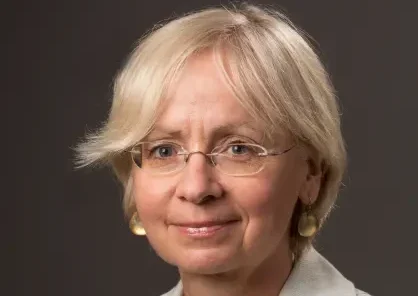
Katarzyna Chawarska, PhD, specializes in child psychiatry. She is the director of the Social and Affective Neuroscience of Autism Program and the Yale Toddler Developmental Disabilities Clinic at the Yale Child Study Center.

Chawarska’s research focuses on understanding and improving treatments for autism spectrum disorder (ASD). Her work explores the impact of medications on children with ASD, how early signs can predict language development, and interventions used to support children with ASD in educational settings.

Chawarski’s research has been supported by the Eunice Kennedy Shriver National Institute of Child Health and Human Development, the National Institute of Mental Health, and Autism Speaks.

Chawarska is the Emily Fraser Beede Professor of child psychiatry at Yale University School of Medicine.

Tags:

Autism Diagnosis, Autism in Infants, Autism in Toddlers, best of the internet, developmental Disabilities, Early Autism Signs, Early Intervention Autism, Mental Health

What Is the Autism Spectrum?

Speaker: Hank Green

Autism spectrum disorder is estimated to affect at least one in 100 people, according to the World Health Organization, although some estimates suggest it could be twice as many

Autistic people form a diverse group, and individuals may have varying characteristics, such as communication styles, interests, and abilities

Autism affects people in different ways, and it is not a single condition, but rather a spectrum.

The understanding of autism has evolved over time, with researchers and the Diagnostic and Statistical Manual (DSM) updating the definition and diagnostic criteria.

In this webinar you will learn (Learning Objectives):

  • Evolution of Autism Diagnosis
  • The Autism Spectrum and Support Needs
  • Genetic Underpinnings of ASD
  • Epigenetic Factors and Autism
  • Other Potential Factors in Autism Development, and more!

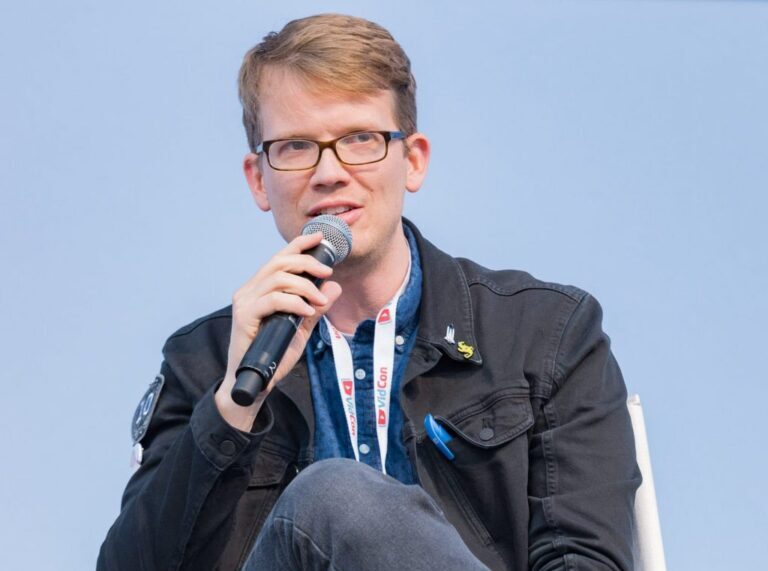
About the Speaker: Hank Green from Sci Show

He’s a science communicator, video creator, and entrepreneur. In 2007, he and his brother started a video blog called Vlogbrothers that continues to this day. That year, they also created The Project for Awesome, a charity project that has raised over $10M for charities to date. In 2008, Hank launched DFTBA.com with his friend Alan Lastufka, that company now helps dozens of creators create and sell products including Nathan Zed, Kurzgesagt, and The McElroy Brothers. In 2010, Hank created VidCon, which has become the world’s largest gathering that celebrates the community, craft, and industry of online video.

VidCon was acquired by Viacom in 2018. In 2012 Hank and John launched SciShow and Crash Course and created their educational media company, Complexly, which produces content that is used in nearly every high school in America and has produced videos that have been viewed more than two billion times.

Tags:

Autism Spectrum Disorder ExplainedAutism Support Needs Across the Spectrum, best of the internet, developmental DisabilitiesGenetics of AutismHow Autism Is DiagnosedMental HealthUnderstanding the Autism Spectrum