What No One Tells You About Grief Healing

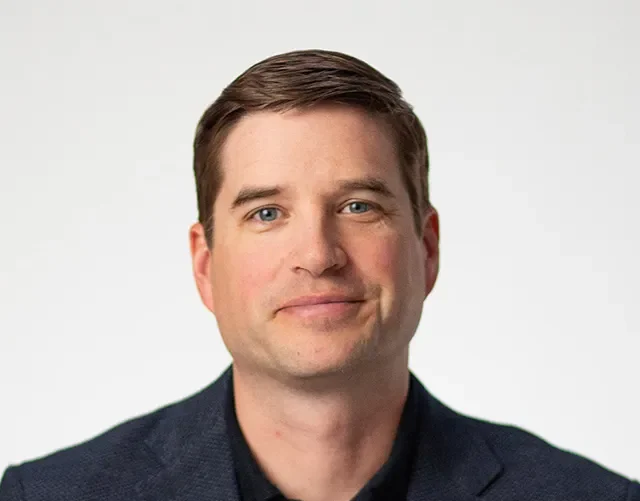
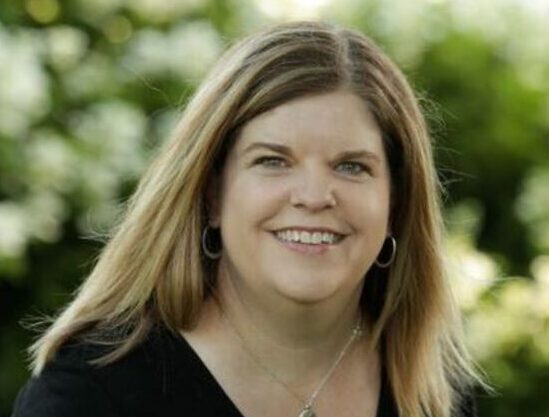
photo of David Kessler

Each person’s grief is unique, like their fingerprint, and no one else will experience it the same way. Grief can be categorized into big and small griefs, or macro and micro griefs, but this doesn’t imply that one is less than another. Grief can be experienced for someone you’ve never met, such as a singer or a well-known figure.

In this webinar you will learn (Learning Objectives):

  • What is grief
  • Anticipatory grief
  • Mirroring neurons
  • Complicated Grief
  • The River of Grief, and many more!

About the Speaker: David Kessler

David Kessler is an American author, public speaker, and expert on death and grieving, born on February 16, 1959. He has authored several books, including “Finding Meaning” and co-authored works with Elisabeth Kübler-Ross, such as “Life Lessons” and “Grief & Grieving.” He has extensive experience helping individuals navigate the complexities of grief.

Tags:

Coping with GriefEmotional LossGrief Healingresilienceself care

Addressing Childhood Trauma through Trauma-Informed Care

This webinar is part of the “Overcoming Obstacles” series, focusing on sustaining behavioral health care in practice, specifically addressing childhood trauma through trauma-informed care. The webinar is for informational purposes only, and viewers should consult a professional advisor for specific advice. The series is a collective product of leading physician organizations, aiming to equip physicians with knowledge for a whole-person, integrated, and equitable approach to physical, mental, and behavioral health care.

In this webinar you will learn (Learning Objectives):

  • What is Trauma Informed Care (TIC)?
  • How do early experiences influence brain development?
  • Developmental Perspectives on Trauma
  • WITH – Wondering together, Investigating, Treating, and Hope
  • Write a prescription for wellness, and many more!

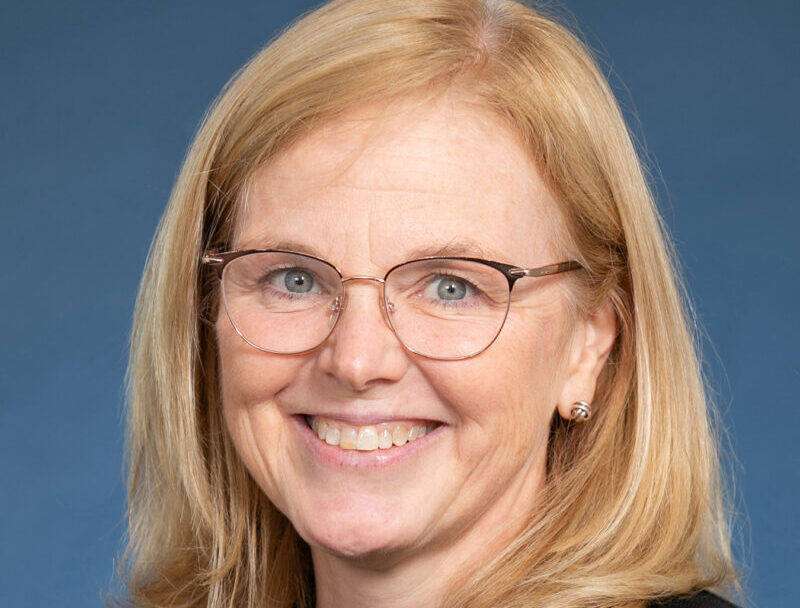
About the Speaker: Dr. Heather C. Forkey

Dr. Heather C. Forkey is a Professor of Pediatrics at the University of Massachusetts Chan Medical School, where she also serves as Vice Chair of Pediatrics and Director of the Foster Children Evaluation Service (FaCES) and the Child Protection Program at UMass Memorial Children’s Medical Center.

Tags:

Behavioral Healthbest of the internetBrain DevelopmentChildhood Traumadevelopmental DisabilitiesMental Healthtrauma informed care

The Delicate Art Of Mastering Work-Life Balance

Speaker Cal Newport

The current definition of productivity in knowledge work is flawed, as it emerged from the industrial sector where productivity was quantitative and measurable. In knowledge work, productivity is harder to measure, leading to the use of visible activity as a proxy for useful effort. This approach, called pseudo productivity, has been driving knowledge work activity for at least 70 years, but it’s unnamed and unrecognized, making it difficult to fix. Pseudo productivity worsened with the advent of computers, networks, emails, and laptops, allowing work to follow people anywhere and demonstrating activity at any time. People struggle to define productivity, often summarizing their job responsibilities instead of providing a clear definition.

In this webinar you will learn (Learning Objectives):

  • The Evolution of Productivity Advice
  • The Prevalence of Pseudo Productivity
  • The Consequences of Pseudo Productivity
  • The Art of Slow Productivity
  • The Origins of the Modern Workday, and many more!

About the Speaker: Dan O’Connor

Cal Newport is a Professor of Computer Science at Georgetown University, specializing in the theory of distributed systems. He completed his undergraduate studies at Dartmouth College in 2004 and earned his Ph.D. from the Massachusetts Institute of Technology (MIT) in 2009 under the supervision of Nancy Lynch.

Tags:

best of the internetKnowledge WorkproductivitySlow Productivitytime managementwork-life balance

Tools for Managing Stress and Anxiety

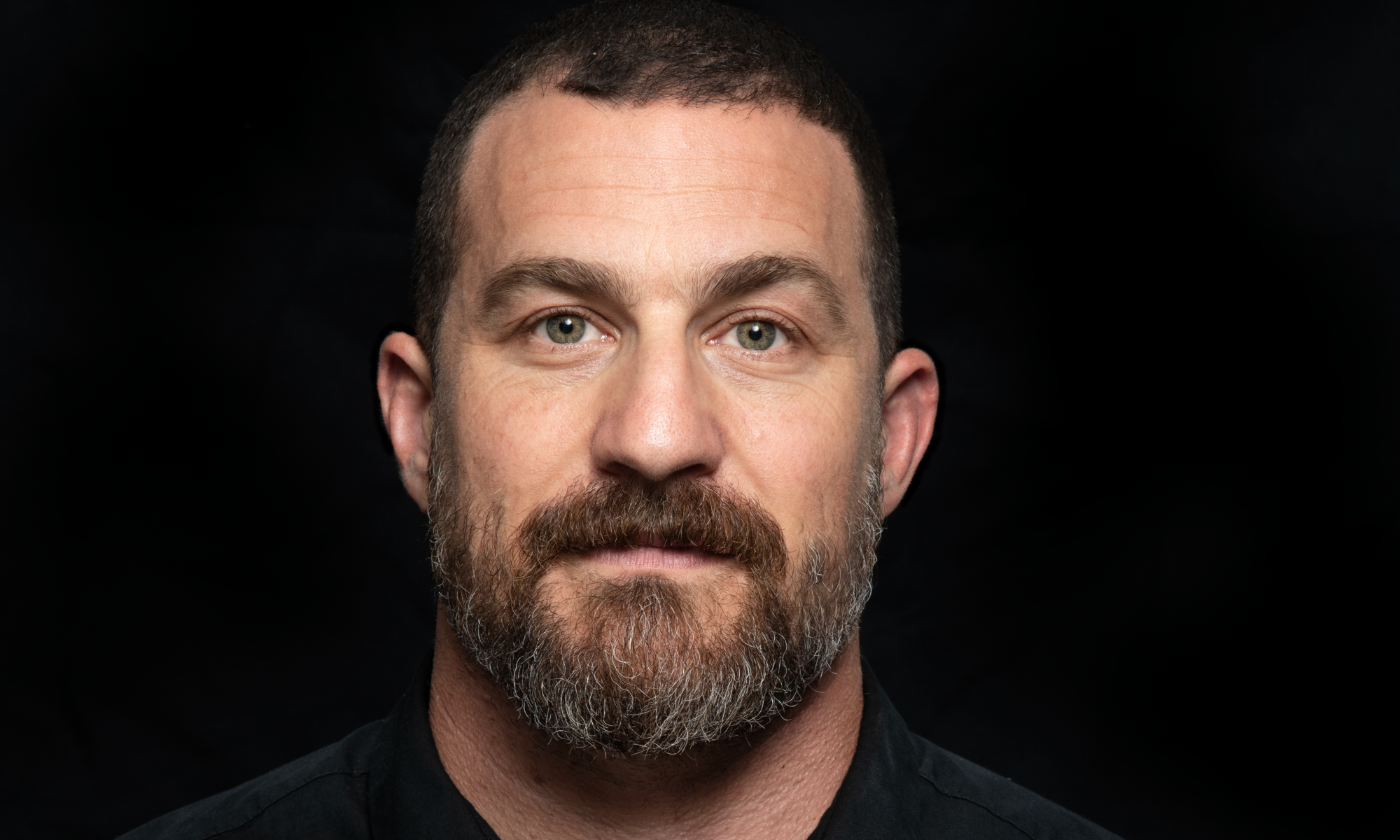
Photo of Andrew Huberman

Dr. Huberman emphasizes that while stress and anxiety are natural responses, they can be effectively managed through deliberate practices. Implementing these tools consistently can enhance one’s ability to cope with stress, improving overall well-being.

In this webinar you will learn (Learning Objectives):

  • Emotions: A Logical Framework of Brain-Body Loops
  • Understanding Stress and Emotions
  • Brain-Body Connection
  • Stress: The (Falsely Narrow) Animal Attack Narrative
  • Tools for Managing Stress & Anxiety, and many more!

About the Speaker: Andrew Huberman, Ph.D.

Andrew Huberman, Ph.D., is a neuroscientist and tenured professor in the Department of Neurobiology and by courtesy, Psychiatry and Behavioral Sciences at Stanford School of Medicine.

Dr. Huberman is also the host of the Huberman Lab podcast — the #1 Health & Fitness podcast on Apple Podcasts and Spotify.

Tags:

anxietybest of the internetBrain-Body Connectioncoping strategiesdepressionemotional healthstress

Healing the Long-term Effects of Childhood Adversity

Speaker nadine-burke-harris

Adverse childhood experiences (ACEs) include physical, emotional, or sexual abuse, physical or emotional neglect, and other household adversities, and were found to be more common than expected in a landmark study by the Centers for Disease Control and Prevention and Kaiser Permanente. The study found that two-thirds of the population had at least one ACE, and one in eight individuals had four or more, which increased their risk for leading health problems in the US, including heart disease, cancer, and stroke.

In this webinar you will learn (Learning Objectives):

  • The Impact of ACEs on Health and Development
  • Understanding Toxic Stress
  • The Prevalence of ACEs and the Importance of Speaking the Truth
  • Community Adversities and Their Impact on ACEs
  • The Role of Pharmaceutical Companies and Advocacy, and many more!

About the Speaker: Dr. Nadine Burke Harris

Dr. Nadine Burke Harris is a Canadian-American pediatrician who served as the first Surgeon General of California from 2019 to 2022. She is known for her advocacy on adverse childhood experiences (ACEs) and is the author of the book “The Deepest Well.” She is also the founder of the Center for Youth Wellness in San Francisco.

Tags:

best of the internetdevelopmental DisabilitiesMental Health

Coping With Stress: Cognitive-Behavioral Stress Reduction

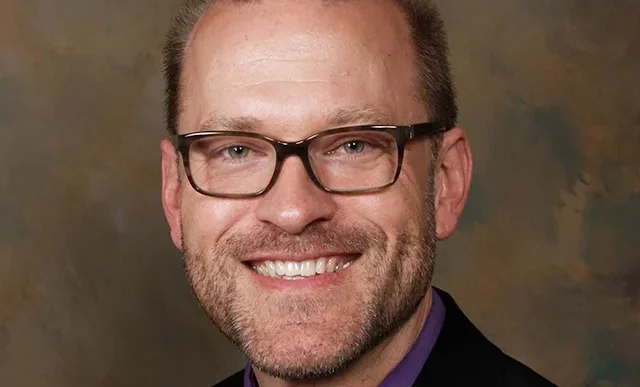
Photo of Jason Satterfield

Cognitive-Behavioral Therapy (CBT) is highlighted as a key approach in stress management. CBT focuses on identifying and modifying negative thought patterns and behaviors that contribute to stress. By restructuring these thoughts, individuals can develop healthier coping mechanisms, leading to reduced stress levels and improved mental health. The video also underscores the importance of practical strategies such as relaxation techniques, time management, and problem-solving skills. Implementing these methods can enhance one’s ability to handle stress effectively.

In this webinar you will learn (Learning Objectives):

  • Minding the Body: Cognitive-Behavioral Stress Reduction
  • Stress and Ways of Coping
  • Cognitive-Behavioral Therapy
  • ABCD Coping Exercise Activating event → Beliefs → Consequences
  • Cognitive Mood Shifting, and many more!

About the Speaker: Jason Satterfield, PhD, MA

Jason Satterfield, PhD, MA is Associate Professor and Director of Behavioral Medicine in the Division of General Internal Medicine at the University of California San Francisco. He received his Ph.D. from the University of Pennsylvania in 1995 where he worked with Drs. Martin Seligman and Aaron T. Beck. Dr. Satterfield’s interests include cognitive and explanatory models of illness, mind-body factors in health and disease, and the somatic expression of emotion. His current projects include integrated behavioral health models for primary care, cognitive-behavioral therapy for palliative care, emotional intelligence in medical providers, and the integration of culture and behavioral sciences in medical school curricula.

Tags:

anxietybest of the internetcognitive behavioral therapyCoping Skillsdepressionmental wellnessstress

Alzheimer’s Disease – Managing Stages of Dementia

photo of dr. nathaniel chin

The key difference between mild cognitive impairment and dementia is functional impairment, with mild cognitive impairment being functionally independent and dementia having a functional impairment. Basic activities of daily living, such as bathing and eating, are affected later in the disease, while instrumental activities, such as managing finances and cooking, are more likely to change as the disease progresses. Early diagnosis is crucial, allowing individuals to make clear their wishes, such as whether they want to be at home or in a care facility, and to have advanced directives in place. In the moderate stage of dementia, there is a need for more support, and decisions may need to be made about activating power of attorney for healthcare and transitioning into assisted living.

In this webinar you will learn (Learning Objectives):

  • Moderate Stage and Care Considerations
  • Medication and Treatment Options
  • Caregiver Challenges and Support

About the Speaker: Dr. Nathaniel Chin, MD

Dr. Nathaniel Chin is the medical director and Clinical Core Co-Leader for the Wisconsin Alzheimer’s Disease Research Center (ADRC). His clinical interests focus on geriatric medicine, Alzheimer’s disease, and dementia.

Tags:

Alzheimer’s Carebest of the internetCaregiver SupportDementia Stagesdevelopmental DisabilitiesMemory CareMental Health

MCI, Alzheimer’s and Dementia – What’s the Difference?

Speaker Dr leslie kernisan

Understanding the differences among MCI, Alzheimer’s disease, and other forms of dementia is crucial for accurate diagnosis and appropriate management. While MCI involves milder cognitive changes that do not substantially disrupt daily activities, dementia encompasses more severe impairments, with Alzheimer’s being a specific, progressive form of dementia. Early recognition and differentiation of these conditions can lead to better treatment outcomes and improved quality of life for individuals affected by cognitive impairments.

In this webinar you will learn (Learning Objectives):

  • What is “mild cognitive impairment”
  • What is the difference between MCI and dementia?
  • The difference between Alzheimer’s and dementia
  • What is “preclinical” Alzheimer’s disease
  • Dementia basic info: what it is, signs and symptoms, and many more!

About the Speaker: Dr. Leslie Kernisan, MD, MPH

Dr. Leslie Kernisan is a board-certified geriatrician specializing in healthcare for older adults. She focuses on educating and empowering caregivers to improve the health and well-being of aging individuals, providing practical advice for both older adults and those caring for aging parents.

Tags:

Alzheimer’s Diseasebest of the internetbrain healthCognitive ImpairmentDementia Awarenessdevelopmental DisabilitiesMCI vs DementiaMental Health

Youth Mental Health First Aid

Youth Mental Health First Aid is a valuable program that empowers adults to support young people facing mental health challenges. By increasing awareness and providing practical skills, YMHFA contributes to early intervention and the overall mental well-being of communities.

In this webinar you will learn (Learning Objectives):

  • Mental Health Resources and Course Logistics
  • Course Overview and Importance of Support
  • Challenges and Goals of Youth Mental Health First Aid
  • Introduction to Youth Mental Health First Aid
  • What is Youth Mental Health First Aid, and many more!

About the Speaker: Dr. Andrea Matheson

Dr. Andrea Matheson is a school psychologist with experience practicing in schools and behavioral pediatric settings. In her 25 years at Heartland AEA, she has served as a school psychologist, assessment consultant, professional learning provider, and currently holds the position of an Agency-wide lead for Social Emotional Behavior Mental Health (SEBMH). Andrea is passionate about assisting schools to build multi-tiered systems of support focusing on SEBMH. She is a certified Youth Mental Health First Aid Instructor and holds a doctoral degree in School Psychology from Iowa State University. Andrea lives in Johnston with her two teens and enjoys supporting them in their activities.

Tags:

best of the internetdevelopmental DisabilitiesEarly InterventionMental HealthSupporting TeensYMHFA Training

Boundaries, Feelings and Core Emotions

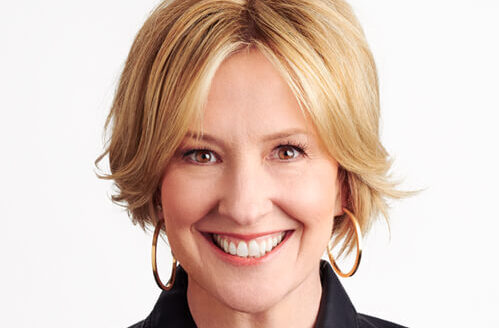
picture of brene brown

Connection is why humans are here, giving purpose and meaning to lives, and is neurobiologically how people are wired.

Shame is the fear of disconnection, and is easily understood as the fear that there is something about oneself that, if others know or see it, will make one unworthy of connection.

The people who have a strong sense of love and belonging believe they are worthy of love and belonging, and this is the only variable that separates them from those who struggle for it.

Wholehearted people, who live from a deep sense of worthiness, have in common a sense of courage, compassion to be kind to themselves and others, and connection as a result of authenticity.

In this webinar you will learn (Learning Objectives):

  • Wholeheartedness and Vulnerability
  • Numbing Vulnerability and Its Consequences
  • Practicing Vulnerability and Believing in Enoughness

About the Speaker: Brené Brown

Casandra Brené Brown (born November 18, 1965) is an American academic and podcaster who is the Huffington Foundation’s Brené Brown Endowed Chair at the University of Houston’s Graduate College of Social Work and a visiting professor in management at the McCombs School of Business in the University of Texas at Austin. Brown is known for her work on shame, vulnerability, and leadership, and for her widely viewed 2010 TEDx talk. She has written six number-one New York Times bestselling books and hosted two podcasts on Spotify.

Tags:

best of the internetConnection & BelongingPower of Vulnerabilityresilienceself careWholehearted Living